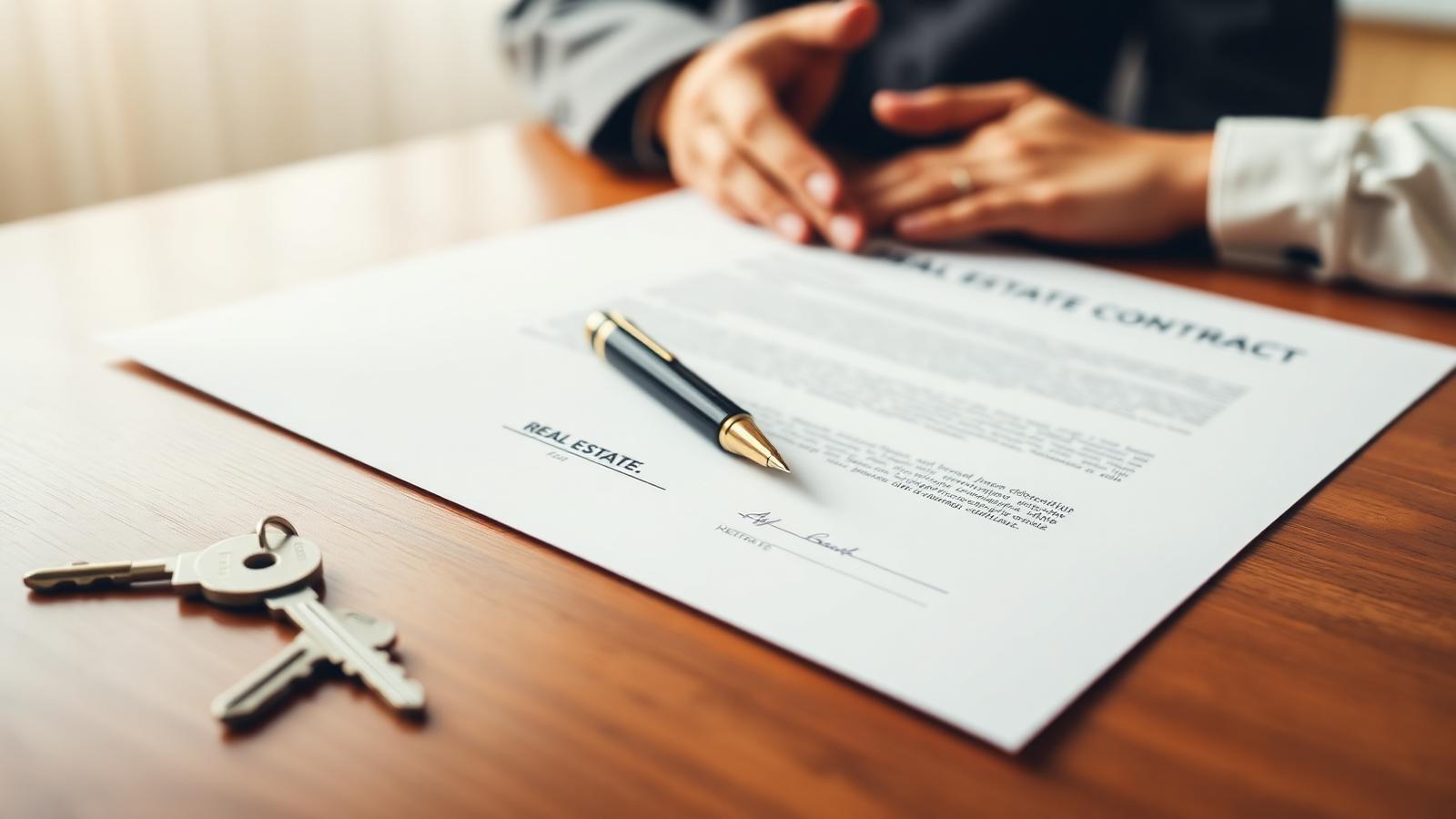
Can a Seller Back Out of an Accepted Offer in New York? What Buyers and Sellers on Long Island Need to Know
In New York, a seller can back out of an accepted offer at almost any time before the written contract of sale is fully signed by both parties and delivered, with no legal consequences. An accepted offer, a handshake, or even a signed binder is generally not an enforceable real estate contract in New York because the Statute of Frauds requires a written contract signed by the party to be charged. Once the contract of sale is signed and delivered, the picture flips: the seller is bound, and a seller who tries to walk away can be sued for specific performance, forcing the sale to close, or for damages.
Key Takeaways
- An accepted offer is not a contract in New York. Until both parties have signed and the contract has been delivered, either side can walk away, and on Long Island sellers sometimes do exactly that when a higher offer appears.
- New York's Statute of Frauds (General Obligations Law 5-703) requires contracts for the sale of real property to be in writing and signed to be enforceable.
- The danger window is the gap between accepted offer and signed contract. On Long Island that gap is typically one to three weeks while attorneys prepare and negotiate the contract and the buyer completes the inspection.
- After the contract is signed, a seller can only cancel through a contingency in the contract itself, a buyer default, or a negotiated release. "I changed my mind" and "I got a better offer" are not legal grounds.
- A buyer facing a defaulting seller can sue for specific performance, because every parcel of real property is legally unique, and can file a notice of pendency that effectively blocks the seller from selling to anyone else while the case is pending.
- Buyers who back out without a contractual right typically forfeit the down payment, which is customarily 10 percent on Long Island.
Can a seller back out of an accepted offer in New York?
Yes. In New York, a seller can back out of an accepted offer with essentially no consequences at any point before the written contract of sale is signed by both parties and delivered. Acceptance of your offer, verbal or in writing through the brokers, creates a moral commitment and nothing more. Until contracts are fully executed, the seller can raise the price, entertain other buyers, or walk away entirely.
I have practiced real estate law on Long Island for 27 years, and this is the single hardest truth I deliver to buyers. You found the house, your offer was accepted, you told your family, and then the listing agent calls to say the seller took a higher offer. It feels like a betrayal and it is perfectly legal. The industry even has a name for it, gazumping, and in a hot Nassau or Suffolk market it happens every week.
The reverse is also true, and sellers should hear it plainly: your acceptance binds no one either. The buyer can vanish the next morning. That is why the only thing that matters in a New York deal is speed to a signed contract. Everything before that signature is conversation.
Why is an accepted offer not binding in New York?
An accepted offer is not binding because New York's Statute of Frauds, General Obligations Law 5-703, requires any contract for the sale of real property to be in writing and signed by the party against whom you are trying to enforce it. Courts also require the writing to contain all essential terms. An offer sheet, email chain between brokers, or typical broker binder usually fails that test.
The standard downstate sequence looks like this. The offer is accepted through the brokers. The seller's attorney drafts the contract of sale. The buyer's attorney reviews and negotiates it. The buyer typically completes the home inspection before signing. The buyer then signs first and delivers the down payment check. And only when the seller countersigns and the fully executed contract is delivered back does a binding deal exist. Each of those steps takes days, and every one of those days is a day the deal can die lawfully.
When does a real estate deal become legally binding in New York?
A New York real estate deal becomes binding when the written contract of sale has been signed by both buyer and seller and delivered, which in practice means the seller's attorney sends the fully executed contract back to the buyer's attorney, with the down payment deposited in escrow. From that moment, both parties' obligations are enforceable in court.
The contract, not the closing, is the moment of legal commitment. It locks in the price, the closing timeline, what fixtures and appliances stay with the house, the contingencies (mortgage contingency, clear title, sometimes inspection), and the remedies if either side defaults. I tell every buyer the same thing: do not spend money on appraisals, mortgage applications, or movers based on an accepted offer alone. Wait until the fully executed contract lands in your attorney's inbox.
When can a seller legally cancel after the contract is signed?
After the contract is signed, a seller can only cancel if a right in the contract itself allows it, if the buyer defaults, or if both parties agree in writing to cancel. Common legitimate outs include the buyer failing to obtain a mortgage commitment within the contingency period and refusing to proceed, the buyer missing payment or closing obligations after a proper time of the essence notice, and title problems that the contract permits the seller to decline to cure.
What is not a legal reason: a better offer, seller's remorse, an appraisal that came in high, a family member who suddenly wants the house. The hard truth for sellers is that walking away from a signed contract because someone offered more money exposes you to a lawsuit that can tie the property up for years, and any judgment or settlement can eat far more than the price difference you were chasing.
One more trap for sellers: the seller's own broker may still be entitled to a commission on a deal the seller killed, because the broker produced a ready, willing, and able buyer. Backing out can cost you the buyer's damages and the broker's commission on the same transaction.
What can a buyer do if the seller backs out after signing?
A buyer whose seller refuses to close on a signed contract can sue for specific performance, asking the court to order the seller to convey the property on the contract terms, or sue for money damages, and in either case can immediately file a notice of pendency (lis pendens) against the property under CPLR Article 65. The notice of pendency is recorded against the title and effectively prevents the seller from selling or refinancing the home while the lawsuit is pending.
Specific performance is unusually available in real estate cases because every parcel is legally considered unique and money damages are presumed inadequate. The buyer generally has to show they were ready, willing, and able to perform, including having financing lined up. Most of these cases settle quickly once the lis pendens is filed, because the seller cannot deliver clean title to the new buyer they jilted you for. Speed matters. A buyer who sits on their rights while the seller closes with someone else has a much harder road.
You can read more about how our office handles buyer and seller disputes on our real estate law practice page.
What happens to the down payment when a deal falls apart?
The down payment, customarily 10 percent of the purchase price on Long Island, is held in escrow by the seller's attorney and its fate depends on who breached. If the seller backs out wrongfully, the buyer is entitled to the full down payment back, plus potential damages. If the buyer backs out without a contractual right, New York courts have long held the seller may keep the down payment as liquidated damages, even if the seller resells the house for more.
The classic trap is buyers who get cold feet after signing and assume they will get their money back "because the seller was not hurt." New York law does not work that way, and a 10 percent down payment on a Long Island home is real money. Escrow mechanics matter too: neither side can grab the money unilaterally, disputes are resolved by agreement or court order, and the escrow agent will interplead the funds into court if the parties fight over them.
Can a buyer back out of an accepted offer or contract in New York?
Before contracts are signed, yes, a buyer can walk away from an accepted offer for any reason and lose nothing but goodwill. After the contract is signed, a buyer can only exit without losing the down payment through a right in the contract, most commonly the mortgage contingency, or a seller default.
The mortgage contingency requires the buyer to make a good faith application, and a denial within the contingency period lets the buyer cancel and recover the deposit. Waiving that contingency to win a bidding war is gambling with 10 percent of the purchase price, and I strongly discourage it without a clear plan for cash. Inspection issues are typically resolved before signing on Long Island, so cold feet after signing has no inspection escape hatch. Once you sign, the reasons to walk away are narrow and contractual.
How do buyers and sellers protect themselves in this process?
For buyers, the answer is speed and counsel. Get your attorney lined up before you bid, schedule the inspection within days of acceptance, and push to sign contracts fast, because the accepted offer means nothing until you do. For sellers, do not let your attorney sit on the contract, and do not sign anything, including a binder, without understanding whether it could be construed as binding. For both sides, the few hundred dollars of attorney time spent moving quickly at the contract stage is the cheapest insurance in the entire transaction. I handle contracts and closings across Nassau and Suffolk County and I have seen far more deals lost to delay than to disagreement.
Thomas A. Sirianni, Esq.
1 Pine Valley Road, Upper Brookville, NY (Nassau County)
(516) 314-1343
thomassirianniesq.com
Frequently Asked Questions
Is a verbal acceptance of an offer binding in New York?
No. New York's Statute of Frauds requires real estate contracts to be in writing and signed to be enforceable. A verbal acceptance, a handshake, or an accepted offer communicated through brokers creates no legal obligation on either side.
Can a seller accept a higher offer after accepting mine?
Yes, right up until both parties have signed the contract of sale and it has been delivered. This is called gazumping and it is legal in New York, which is why moving quickly from accepted offer to signed contract is the single best protection a buyer has.
Is a binder or offer sheet a contract in New York?
Usually not. Most binders and offer forms are missing essential terms and are not intended as final contracts, so courts will not enforce them. A poorly drafted binder can occasionally create unintended obligations, so neither side should sign one without an attorney looking at it.
Can I sue a seller who backs out of a signed contract?
Yes. A buyer can sue for specific performance to force the sale or for damages, and can file a notice of pendency that prevents the seller from transferring the property while the case is pending. Many of these disputes settle once the notice of pendency is on record.
Does the seller owe the buyer anything for backing out before contracts are signed?
Generally no. Out-of-pocket costs like inspection fees and appraisal fees are typically not recoverable when a seller walks away before contracts are signed, which is another reason buyers should not spend heavily before the contract is fully executed.
How long does a buyer have between accepted offer and contract signing on Long Island?
There is no fixed deadline, but the customary window in Nassau and Suffolk County is one to three weeks. The seller's attorney drafts the contract, the buyer's attorney reviews it, the buyer completes the inspection, and then both parties sign. The deal is at risk for that entire window.
If the buyer backs out, does the seller automatically keep the down payment?
If the buyer has no contractual right to cancel, New York courts have consistently allowed sellers to retain the down payment as liquidated damages. The money does not move automatically, it stays in escrow until the parties agree or a court decides, but the law strongly favors the seller in a true buyer default.
Buying or selling a home on Long Island? Get the contract right before you sign.
Nassau and Suffolk County buyers and sellers: I will review your offer, contract, and contingencies, explain exactly when you are bound and when you are exposed, and move your deal to signature quickly. The initial consultation is free, and I answer my own phone, 7 days a week, 6:00 AM to 8:00 PM.
Attorney advertising. This article is general information about New York law only, not legal advice, and does not create an attorney-client relationship. Contract rights depend on the specific documents in your transaction; consult a licensed New York attorney about your specific situation promptly. Prior results do not guarantee a similar outcome.