Foreclosure Defense Attorney in Queens Village, NY (Served with Papers? Start Here)
Queens Village homeowners have 20 days to answer a foreclosure summons handed to them and 30 days otherwise, and the case is heard at Queens County Supreme Court on Sutphin Boulevard in Jamaica, 15 minutes away. Many Queens Village houses carry a basement or attic apartment not on the certificate of occupancy, and that complicates a foreclosure: the servicer will not count its rent, the Buildings Department may have issued violations, and a buyer's lender may balk. I have worked through those cases for 27 years.
Key Takeaways
- Queens Village is in Queens; foreclosures are heard at Queens County Supreme Court, 88-11 Sutphin Boulevard in Jamaica.
- Rent from an apartment not shown on the certificate of occupancy is generally excluded from a modification application, which can turn an approvable Queens Village household into a denial.
- Department of Buildings violations and Environmental Control Board judgments on an illegal conversion become liens and must be cleared or escrowed at any sale or refinance.
- Legalizing a unit where the zoning and code allow it, or removing the illegal features, is often the step that unlocks a modification or a clean sale.
- The 20 or 30 day answer deadline preserves standing, RPAPL 1304, RPAPL 1306 and CPLR 213(4) defenses regardless of the building's occupancy problems.
- Queens Village equity is substantial; a sale before the Sutphin Boulevard auction preserves it, and any surplus is claimed under RPAPL 1361.
How does an illegal basement apartment affect my Queens Village foreclosure?
In three ways. The servicer will not count rent from a unit that is not on the certificate of occupancy, so a Queens Village household that qualifies with that income may be denied without it. Department of Buildings violations and Environmental Control Board fines attach as liens. And a buyer's lender may refuse to close until the violations are cured.
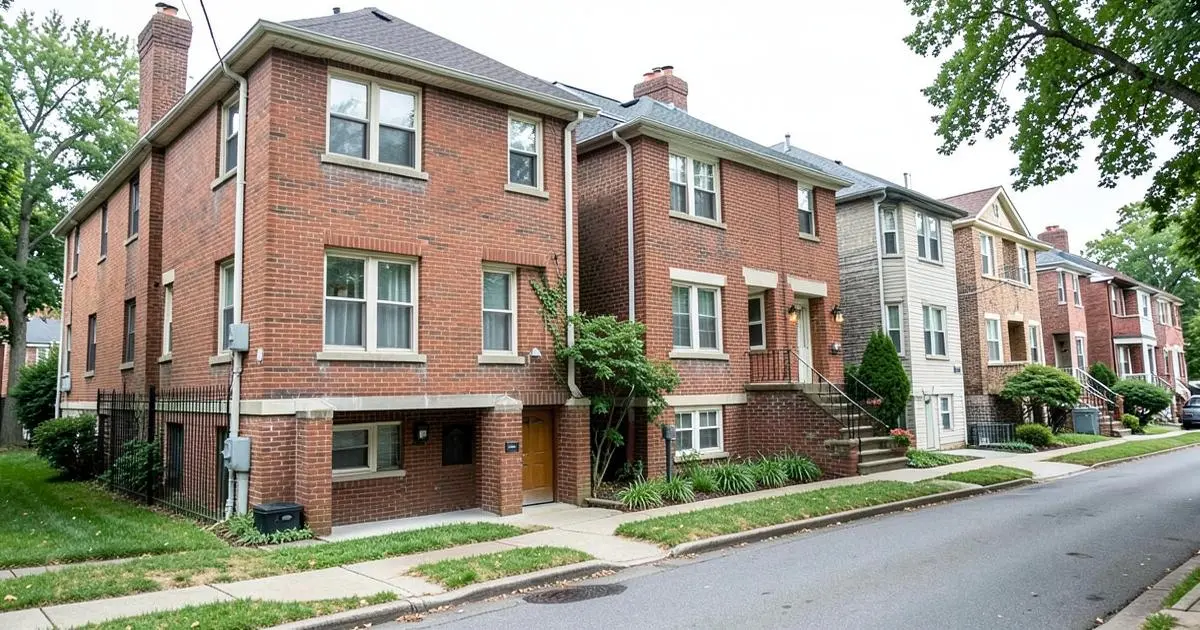
Queens Village's one and two family houses were built with full basements and finished attics, and a large share of them have an apartment the certificate of occupancy does not recognize. The rent from that apartment is often what made the mortgage affordable in the first place, and when the servicer's underwriter asks for a lease and a certificate of occupancy showing a legal unit, the income disappears from the application. Households that could carry a modified payment with the basement rent are denied on paper, and the denial is technically correct under most investor guidelines.
The second problem is the building itself. A complaint to 311, a fire department visit or a routine inspection produces a Department of Buildings violation for an illegal conversion, an order to vacate the tenants, and Environmental Control Board penalties that accrue until the condition is corrected and the violation dismissed. Those penalties become judgments and liens against the Queens Village property, ahead of any surplus and in the way of any closing. A buyer's lender will not close on a house with an open vacate order, and a title company will require the ECB judgments paid or escrowed. I address the building and the mortgage together: where the zoning and building code allow legalization, an architect and an expediter can bring the unit onto the certificate of occupancy and turn excluded rent into counted income; where they do not, removing the illegal features, curing the violations and getting the penalties reduced or dismissed clears the path to a sale or refinance. Either way the foreclosure defense buys the time that work takes.
Can I get a modification without counting the basement rent?
Sometimes. Servicer guidelines count non-borrower household income from contributing adults, and boarder income in some programs. Where the household still falls short, a Queens Village owner can legalize the unit if the code allows, remove it and rent legal space instead, or seek a principal deferral. The conference part on Sutphin Boulevard is where those alternatives are pressed.
The modification application for a Queens Village house with an unrecognized apartment has to be built around what the servicer will count. Wages, benefits and documented contributions from adult household members all qualify. Rental income from a legal unit qualifies at a haircut. Rent from the basement does not, and putting it on the application invites a request for a certificate of occupancy that ends the conversation. Where the counted income supports a payment, the application proceeds normally; where it does not, the underwriter's tools, a term extension to 40 years, a rate reduction and a principal deferral, may still reach a target payment the household can carry without the basement.
Where none of that works, the building has to change. New York City has expanded the paths to legalizing basement apartments in some districts, and where the zoning, ceiling height, egress and light requirements can be met, an architect's filing and a Department of Buildings approval convert the unit into legal income the servicer must count. Where legalization is impossible, removing the kitchen and the separate entrance, curing the violation and renting a legal room or floor instead produces income the servicer will accept. I have watched Queens Village families move from denial to approval on the same income by changing how the house is documented, and the court attorney referee at the CPLR 3408 conference will give a household working on legalization the adjournments the process needs. A servicer that denies for missing rental documentation and then refuses to re-evaluate when the unit is legalized is recorded for lack of good faith.
Where are Queens Village foreclosure cases heard?
Queens Village foreclosures are heard at Queens County Supreme Court, 88-11 Sutphin Boulevard in Jamaica, about 15 minutes away. Department of Buildings and Environmental Control Board matters are administrative and separate. CPLR 3408 conferences are held in the foreclosure conference part, motions go to the assigned justice, and any Queens Village auction is at the courthouse.
Queens Village homeowners with building violations sometimes assume the foreclosure court will hold the violations against them. It does not; the Sutphin Boulevard foreclosure part in Jamaica is deciding whether the lender proved its case and whether the servicer negotiated in good faith, and the certificate of occupancy is relevant only to the numbers in the modification application and the mechanics of any sale. I have practiced foreclosure defense for 27 years, and I have never seen a Queens justice rule against a homeowner because of a basement apartment.
The court attorney referees in the conference part understand that Southeast Queens houses carry unrecognized units and that servicers use the certificate of occupancy as a reason to deny, and they will direct a servicer to evaluate the household on its countable income and to re-evaluate when a unit is legalized. The assigned justices decide the ordinary defenses, standing, RPAPL 1304, CPLR 213(4) and the amount, and Queens justices have tolled interest for servicer bad faith at the conferences and dismissed time-barred Southeast Queens loans. A contested Queens Village case runs two to four years from the summons to an auction, which is time enough to legalize a unit or clear violations and sell. An unanswered case reaches auction in about a year, with the ECB judgments paid ahead of any surplus and the family removed by a purchaser who will do the legalization for their own profit.
Did the lender comply with RPAPL 1304 and 1306?
The lender had to mail each Queens Village borrower a separate RPAPL 1304 90-day notice by certified and first-class mail with a list of housing counseling agencies serving Queens County, and file it under RPAPL 1306 within three business days. Both are conditions precedent, and the building's occupancy status has nothing to do with them.
In the Second Department, RPAPL 1304 compliance must be strict, and the Queens Village plaintiff must prove the mailing through someone who sent it or who actually follows the mailing practice described. Queens Village loans from the 2000s changed hands repeatedly, and the current servicer often cannot produce anyone who can testify to a predecessor's mailing. Notices to two borrowers in one envelope, notices with a counselor list for another county, and form mailing affidavits have each been rejected, and a notice mailed only to the borrower while a basement tenant received nothing raises no issue, because the statute protects borrowers, not occupants.
RPAPL 1306 separately requires the lender to file the notice with the state within three business days, and in a Queens Village case the filing confirmation is the only acceptable proof. Where either statute fails, the Queens Village case is dismissed without prejudice and the lender must restart the 90-day process. On a loan first accelerated in an earlier action that was abandoned, the restart may not fit inside the six years CPLR 213(4) allows, and the Foreclosure Abuse Prevention Act, effective December 30, 2022, prevents the lender from claiming the acceleration was revoked; time-barred mortgages are cancelled under RPAPL 1501(4). None of that depends on the certificate of occupancy, and a Queens Village homeowner worried about the basement should not let that worry keep them from raising the defenses the lender's own conduct hands them.
What is the deadline to answer, and should I mention the apartment?
The answer is due 20 days after personal delivery or 30 after other service, with substituted service complete ten days after the affidavit is filed with the Queens Clerk. It must plead standing, CPLR 213(4), RPAPL 1304 and 1306, need not mention the basement, and should establish that you occupy the Queens Village home so the conference is required.
Queens Village homeowners sometimes hesitate to appear in a foreclosure because they fear the illegal apartment will surface, and that hesitation is how defensible cases are lost. The default judgment eliminates every defense, converts a two to four year case into a one-year path to auction, and does nothing to protect the basement tenant, who will be removed by the purchaser anyway. The answered case runs two to four years, keeps the standing, notice and limitations defenses alive, and puts the household in the conference part where a modification on countable income is negotiated.
The answer pleads standing first or it is waived, the statute of limitations as an affirmative defense, the RPAPL 1304 and 1306 conditions precedent, and a specific denial of the amount claimed. It states that the homeowner occupies the property as a principal residence, which is true and which triggers the mandatory CPLR 3408 conference, and it need say nothing about how the rest of the building is used. Rent from the unit, if it continues, is the homeowner's to collect until a referee's deed changes hands. Nothing said to the servicer extends the deadline; a written stipulation from the plaintiff's attorney does, and I obtain one where the household needs time to gather income documents from every contributing adult. The building's problems are solved on their own track; the deadline in the foreclosure does not wait for them.
What are my options for keeping or selling the Queens Village house?
You own the Queens Village home until a referee delivers a deed after an auction, and until then you can reinstate, modify through the CPLR 3408 conference part on countable income or after legalizing the unit, cure the violations and sell with the lender and ECB judgments paid at closing, or short sell with a written RPAPL 1371 waiver.
For the household that wants to stay, the modification path runs through the conference part on Sutphin Boulevard, on countable income or on rent that becomes countable once the unit is legalized, and a completed modification ends the case. Where the hardship has ended, the Queens Village owner reinstates the loan or agrees to a repayment plan. For the household that is leaving, the building's problems have to be managed before the closing: an open vacate order or unpaid ECB judgments will stall a buyer's financing, so the violations are cured and the penalties paid or escrowed from the proceeds, and the Queens Village home sells while the case is pending with the lender paid at closing and the equity kept.
The auction is the outcome to avoid, because it produces a discounted price, deducts default interest and fees, pays the ECB judgments ahead of any surplus, and leaves the remainder with the Queens County Clerk until an RPAPL 1361 claim is filed. A basement tenant keeps whatever RPAPL 1305 protections a tenant in an unrecognized unit can assert, which is fewer than a tenant in a legal one. On the rare underwater Queens Village loan, a short sale requires the lender's consent and a written waiver of any deficiency under RPAPL 1371. The basement apartment made the house work for years; the defense of the case is what keeps it from being the reason the house is lost.
How a foreclosure moves through Queens County Supreme Court
- Default and the 90-day notice
At about 90 days delinquent the servicer mails the RPAPL 1304 notice to each Queens Village borrower with a Queens County counselor list and files under RPAPL 1306; federal rules bar suit until more than 120 days of delinquency. Pull the certificate of occupancy and any DOB violations now.
- Summons and notice of pendency
The lender files at Queens County Supreme Court, records a notice of pendency against the Queens Village property with the City Register, and serves you. Twenty days to answer after hand delivery, 30 otherwise; the answer establishes owner occupancy and preserves every defense.
- CPLR 3408 conferences on Sutphin Boulevard
Roughly two months after proof of service, the Queens Village home gets its first conference. The court attorney referee reviews the application on countable income, grants adjournments while a unit is legalized or violations cured, and records the servicer's good faith.
- Summary judgment and RPAPL 1321 referee
If the Queens Village conferences end without agreement, the lender moves for summary judgment and a referee's appointment. Standing, notice and limitations go to the assigned justice, and the referee's Queens Village computation is open to objection.
- Judgment of foreclosure and sale
Judgment follows confirmation of the referee's report, and the Queens Village sale date is published. A completed modification, or a sale with violations cured and ECB judgments paid at closing, can still close before the auction, and defects in service or notice support a motion to vacate.
- Auction and post-sale
The referee sells the Queens Village property at the courthouse and delivers a deed. ECB judgments are paid ahead of surplus, surplus is claimed under RPAPL 1361, a deficiency requires an RPAPL 1371 motion within 90 days of the deed, and occupants are removed only through Housing Court.
Frequently Asked Questions
The bank denied my modification because it would not count my basement tenant's rent. Is there anything I can do?
Yes. Rebuild the application on countable income from every contributing adult in the household, ask the servicer to apply term extension, rate reduction and principal deferral to reach a payment, and explore legalizing the unit where the code allows so the rent becomes countable. The conference part in Jamaica will hold the servicer to re-evaluating.
Will the foreclosure court punish me for the illegal apartment?
No. The Sutphin Boulevard foreclosure part decides whether the lender proved its case and whether the servicer negotiated in good faith. Building violations are an administrative matter with the Department of Buildings and the Environmental Control Board, and they affect the numbers and the closing, not the defenses.
How long does a Queens Village foreclosure take?
A Queens Village foreclosure that is answered and litigated generally spans two to four years before any auction in Jamaica, moving through CPLR 3408 conferences, motions, the RPAPL 1321 order of reference and the judgment of foreclosure and sale. With no answer on file, a Queens Village home can be sold about a year after the summons.
Can I sell the house with open violations on it?
Usually only after they are addressed. A buyer's lender will not close on a house with an open vacate order, and a title company will require ECB judgments paid or escrowed. Curing the violations and paying or negotiating the penalties from the proceeds is part of the closing plan, and the defended case gives you the time to do it.
Can I legalize the basement apartment?
Sometimes. New York City has expanded legalization paths in certain districts, and where zoning, ceiling height, egress and light requirements can be met, an architect's filing and Department of Buildings approval put the unit on the certificate of occupancy. Where they cannot, removing the illegal features and renting legal space is the alternative.
Can I sell my Queens Village house while the case is pending?
Yes. Until a referee's deed is delivered after an auction the Queens Village home is yours to sell, and closings before the sale date are routine. The lender and any ECB judgments are paid from the proceeds at closing, and the remaining equity is yours.
Is the first consultation free for Queens Village homeowners?
Yes. Call (516) 314-1343 and bring the summons and complaint, the 90-day notice and its envelope, recent mortgage statements, the certificate of occupancy, any Department of Buildings or ECB notices, and income documents for every adult in the household. I will tell you what the servicer must count and what the building needs before a sale.
More on New York foreclosure defense
- How Long Does Foreclosure Take in New York? The Complete Timeline for Long Island Homeowners (2026)
Most New York foreclosures take 1 to 3 years, and Long Island cases often run longer. A breakdown of all 7 stages and the deadlines that matter.
- What Happens If You Don't Answer a Foreclosure Summons in New York? A Long Island Defense Attorney Explains Your 3 Ways Back In (2026)
In New York you have 20 to 30 days to answer a foreclosure summons. Miss it and you are in default, but three routes back into the case remain open...
- How to Stop a Foreclosure Sale in Nassau County: A Step-by-Step Guide from a Long Island Foreclosure Defense Attorney
A foreclosure sale date is not the end of the road. New York gives homeowners multiple legal tools to stop, delay, or dismiss a foreclosure, but...
- How Much Does a Quiet Title Action Cost in New York? The Real Numbers and the Timeline (2026)
Court fees for a New York quiet title action run about $400, and attorney fees depend on who fights back. The real numbers and the timeline.
- Surplus Money Proceedings in New York Foreclosure: How to Claim the Excess
How surplus money proceedings work after a New York foreclosure sale: who gets the excess, how to file a claim, and the deadlines Nassau & Suffolk...
- Can a Sibling Force the Sale of an Inherited House in New York? RPAPL 901 and the Heirs Property Buyout (2026)
Under RPAPL 901 any co-owner can force the sale of an inherited house in New York. The buyout right that can stop the sale and who pays the costs.
Served with foreclosure papers in Queens Village? Call for a free consultation.
Queens homeowners: I will review where your case actually sits, which deadlines are live, and which options are still open, at no cost for the initial consultation. I answer my own phone, 7 days a week, 6:00 AM to 8:00 PM.
Attorney advertising. This page is general information about New York law only, not legal advice, and does not create an attorney-client relationship. Prior results do not guarantee a similar outcome.