Foreclosure Defense Attorney in City Island, NY (Served with Papers? Start Here)
City Island homeowners have 20 days to answer a foreclosure summons handed to them and 30 days otherwise, and the case is heard at Bronx County Supreme Court, 851 Grand Concourse in the Bronx, about 30 minutes away over the bridge. Many City Island houses are second homes, rentals or inherited property, and the lender will argue that RPAPL 1304 and the mandatory conference do not apply. Sometimes it is right. The defenses that remain are still substantial, and I have used them for 27 years.
Key Takeaways
- City Island is in the Bronx; foreclosures are heard at Bronx County Supreme Court, 851 Grand Concourse, and appeals go to the First Department.
- RPAPL 1304 and the mandatory CPLR 3408 conference apply to a home loan on the borrower's principal residence; a City Island second home or rental may fall outside them, but the burden is on the lender to show it.
- Occupancy is measured when the loan was made and when the notice was due, and a City Island owner who lived in the house at either point, or whose loan documents recite owner occupancy, is often covered.
- Standing, the six-year statute of limitations under CPLR 213(4), the Foreclosure Abuse Prevention Act and the amount due apply to every mortgage, occupied or not.
- A non-owner-occupied City Island property may still get a settlement conference at the court's discretion, and investor loans have their own modification programs.
- Rental income from a City Island property is the owner's until a receiver is appointed, and an inherited or second home can be sold before any auction with the equity kept.
Does RPAPL 1304 apply if I do not live in my City Island house?
Not always, and the lender must prove it. RPAPL 1304 covers home loans, which require the property to be the borrower's principal dwelling; the mandatory CPLR 3408 conference uses the same test. A City Island house the borrower never occupied may fall outside both, but occupancy is measured at the loan and the notice, and the loan documents control.
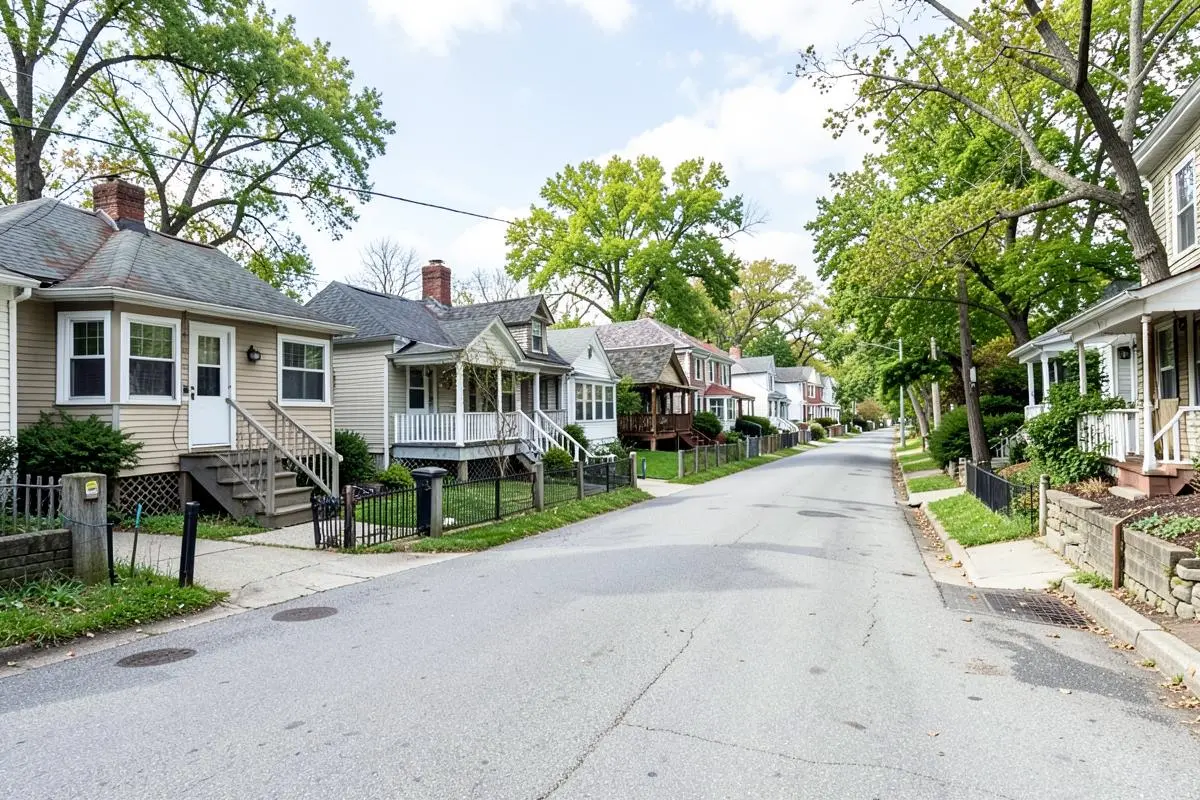
City Island is a village inside the Bronx, and its housing stock is unusual for the borough: waterfront cottages kept as second homes by families who live in Westchester or Manhattan, houses rented to year-round tenants, and homes inherited from parents that the children hold rather than sell. When one goes into default, the lender's complaint typically alleges that RPAPL 1304 does not apply because the property is not the borrower's principal residence, and that no settlement conference is required for the same reason. The allegation is frequently made by rote, and it is frequently wrong. RPAPL 1304 defines a home loan by reference to the borrower's occupancy of the property as a principal dwelling, and the appellate courts have held that the relevant time is when the loan was made and when the notice would have been due, so a City Island owner who lived in the house when the mortgage closed, and whose loan application, mortgage rider and closing affidavit all recite owner occupancy, has a home loan even if they later moved. A borrower who lived there part of the year, kept it as a voting and tax address, or moved back after a tenant left has a factual dispute the lender cannot resolve on its own affidavit.
Where the property truly was never the borrower's residence, RPAPL 1304 does not apply and the CPLR 3408 conference is not mandatory, though the court may order one in its discretion and often does where the owner asks. What does not change is everything else. The lender must prove standing, that it held the note when it sued, through endorsements or assignments; it must have sued within six years of acceleration under CPLR 213(4), with the Foreclosure Abuse Prevention Act barring any claim that an earlier acceleration was revoked; it must prove the amount due, with every fee and charge subject to objection at the RPAPL 1321 reference; and it must serve the summons properly, which on a City Island house the owner does not occupy is a recurring problem, because servers affix papers to a door no one opens. I have defended second homes and inherited houses on City Island on those grounds alone, and the lender that assumed it had an easy case because the owner lived elsewhere learned otherwise.
What defenses does a City Island investor or second-home owner have?
Standing, the statute of limitations, the amount due, and defective service. The lender must prove it held the note when it sued, must have filed within six years of acceleration under CPLR 213(4), must prove every dollar, and must have served the owner where the owner lives. A City Island owner outside RPAPL 1304 keeps them all.
Investor and second-home loans on City Island were often originated by the same lenders and sold into the same trusts as owner-occupied loans, and they carry the same paperwork problems. Standing is proven by the plaintiff's possession of the original note, endorsed to it or in blank, or a written assignment of the note, on the day the action was filed; a plaintiff that produces a copy of an unendorsed note and a mortgage assignment recorded after the complaint has not shown it. The six-year statute of limitations under CPLR 213(4) runs from acceleration, and City Island loans first accelerated in actions filed in 2009 and 2010 and later discontinued are now barred, with the Foreclosure Abuse Prevention Act, effective December 30, 2022, preventing the lender from arguing that the discontinuance revoked the acceleration; a time-barred mortgage is cancelled under RPAPL 1501(4), and the owner takes the property free of it. The amount due is challenged at the RPAPL 1321 reference, where the plaintiff must prove each fee, and investor loans carry years of inspection and preservation charges on houses that were occupied by tenants the whole time.
Service is the defense particular to the non-occupied property. CPLR 308 permits substituted service by delivery to a person of suitable age at the defendant's dwelling or usual place of abode, or by affixing to the door of that dwelling and mailing, and a City Island house the owner does not live in is not the owner's dwelling. A server who affixes papers to the cottage door and mails to the same address has not served the owner who lives in Larchmont, and a judgment on that service is void under CPLR 5015(a)(4). Lenders know where their borrowers live, because they send the statements there, and the mismatch between the billing address and the service address is often the first thing I find in a City Island file. Where the owner is an estate or heirs holding inherited property, the lender must also substitute a personal representative, and a judgment against a deceased borrower is a nullity. None of these defenses depends on where anyone sleeps.
Where are City Island foreclosure cases heard?
City Island foreclosures are heard at Bronx County Supreme Court, 851 Grand Concourse in the Bronx, about 30 minutes away over the City Island Bridge or by the Bx29 and the 6 train. The assigned justice decides motions, settlement conferences where ordered run in the foreclosure settlement conference part, and the referee's auction is held at the courthouse.
City Island is the farthest corner of the Bronx from the Grand Concourse courthouse, and its owners, many of whom live outside the borough entirely, are the Bronx defendants most likely to learn about a case after a judgment has been entered on service they never received. I have practiced foreclosure defense for 27 years, and a Bronx justice shown that the lender mailed monthly statements to a Westchester address for a decade and then served the summons on the door of an empty City Island cottage has vacated the judgment and set the matter down for a traverse hearing that the process server did not survive.
Where the property is owner-occupied, or the court exercises its discretion to order one, the court attorney referees in the conference part run the CPLR 3408 conferences and record the servicer's good faith. Where it is not, the case proceeds on motions before the assigned justice, who decides standing, the statute of limitations, the amount due and any RPAPL 1304 dispute over occupancy, with appeals to the Appellate Division, First Department. A contested City Island case runs two to four years from the summons to any auction, whether or not a conference is held, because the motion practice and the reference take that long. An unanswered case reaches auction in about a year, and on a City Island waterfront lot that is equity sold at a steep discount while the owner in another county never knew. After a sale, the same justice hears the RPAPL 1361 surplus proceeding, and I have recovered surplus for owners who discovered the sale from a property tax bill addressed to someone else.
Did the lender comply with RPAPL 1304 and 1306, and does it matter for a City Island rental?
If the City Island loan is a home loan, meaning the borrower occupied it as a principal dwelling when the loan was made or the notice was due, the lender had to mail each borrower a separate RPAPL 1304 90-day notice with a counselor list and file under RPAPL 1306 within three business days. It must prove any exemption.
The lender's complaint on a City Island property typically pleads that RPAPL 1304 is inapplicable because the premises are not owner-occupied, and the First Department requires the plaintiff to prove that exemption as it would any other element; an attorney's conclusory statement does not do it, and a plaintiff whose own loan file contains an occupancy affidavit, a primary residence rider and a homeowner's rather than a landlord's insurance policy has contradicted its own pleading. Where the statute applies, strict compliance is required and the mailing must be proven by a witness with personal knowledge or a standard office practice the witness actually follows; notices to two borrowers in one envelope, notices without the Bronx counselor list, notices in the wrong type size and conclusory mailing affidavits have each defeated lenders on appeal, and since the Court of Appeals' 2023 Kessler decision the focus is on those elements rather than on extra language in the envelope. The notice must also go to the borrower's last known address as well as the property, which for a City Island second home means the address the servicer bills.
The state filing under RPAPL 1306, due within three business days of mailing and proven by the confirmation, is a separate condition the City Island plaintiff must satisfy. Where either statute fails on a covered loan, the case is dismissed without prejudice and the lender must restart, and on a loan accelerated years ago the restart may fall outside the six years CPLR 213(4) allows. Where the statute truly does not apply, the City Island owner loses that one defense and keeps the rest, and I have never had a non-occupied case in which standing, limitations, service and the amount due did not give the owner something substantial to work with.
What is the deadline to answer, and how is an owner served who lives elsewhere?
The answer is due within 20 days of personal delivery or 30 of other service, and substituted service is complete ten days after the affidavit is filed in the Bronx. It must be made at the owner's actual dwelling, not the City Island property; an owner served only at a house they do not occupy was never served.
The answer pleads standing first or it is waived, the six-year limitations period under CPLR 213(4) as an affirmative defense, a specific denial of the amount claimed, improper service where the papers went to the wrong address, and, where the owner occupied the property when the loan was made or the notice was due, the RPAPL 1304 and 1306 conditions precedent together with a request for the CPLR 3408 conference. Where the property is a rental, the answer may also assert that the owner is properly managing it and collecting rent, in anticipation of any receivership motion. Substituted service is complete ten days after the affidavit is filed and the 30 days run from then; a written stipulation from the plaintiff's attorney extends the deadline and a servicer's assurance does not.
Service on a City Island owner who lives elsewhere is where these cases most often go wrong for the lender. CPLR 308(2) and (4) require substituted service at the defendant's actual dwelling place or usual place of abode, and a rental or second home is neither; a server who leaves papers with a tenant or affixes them to the cottage door has served no one, and the owner in another county may not learn of the case until a judgment is entered and a sale scheduled. That owner moves under CPLR 5015(a)(4) to vacate for lack of jurisdiction, needs no excuse, and gets a traverse hearing on a sworn denial. The better course is to answer on time whenever the summons does arrive, because a timely answer preserves every defense without a hearing. An owner who learns of a case late should not assume the time has run; the deadline is measured from valid service, and invalid service starts no clock at all.
What are my options for keeping or selling the City Island property?
You own the City Island property until a referee delivers a deed, and until then you can reinstate, seek a modification under the investor programs for non-owner-occupied loans or through a conference the court orders, sell with the lender paid at closing, keep collecting rent until a receiver is appointed, or short sell with an RPAPL 1371 waiver.
For the City Island owner who wants to keep the property, whether as a home, a rental or a family place, the path depends on occupancy. An owner who lived there and can show it gets the CPLR 3408 conference and the full modification review; an owner of a rental or second home asks the court to order a conference in its discretion, which Bronx justices frequently do, and applies under the investor's non-owner-occupied programs, which Fannie Mae, Freddie Mac and most private investors maintain even though they are less generous than the owner-occupied ones. Rental income, documented by leases and deposits, supports the application, and the rent is the owner's to collect and apply until a court appoints a receiver, which the owner opposes with proof of good management. A reinstatement cures a temporary hardship, and a family loan or a cash-out refinance of another property is often how a second home is saved.
For the owner who is letting it go, a City Island waterfront lot sells well, and a sale while the case is pending pays the lender at closing and keeps the equity, including the equity a defective service or a time-barred acceleration protected. Nothing about the auction favors a City Island owner: a discounted price, default interest and fees paid first, and whatever surplus remains held by the Bronx County Clerk until an RPAPL 1361 claim is made. On an underwater loan a short sale requires the lender's consent and a written RPAPL 1371 waiver of the deficiency, and a deficiency judgment is a real risk on an investor loan where the lender is not deterred by the borrower's residence. An heir holding an inherited City Island house sells through the estate with Surrogate's Court letters and the lender paid at closing. A property the owner does not live in is still the owner's property, and the lender does not get it for the asking.
How a foreclosure moves through Bronx County Supreme Court
- Default and the 90-day notice, if the loan is a home loan
At about 90 days delinquent the servicer mails the RPAPL 1304 notice to each City Island borrower, at the property and at the billing address, with a Bronx counselor list, and files under RPAPL 1306; where the lender claims the property is not owner-occupied, it must prove the exemption. Keep whatever arrives at either address.
- Summons and notice of pendency
The lender files at Bronx County Supreme Court, records a notice of pendency against the City Island property with the City Register, and must serve you where you actually live. Twenty days to answer after hand delivery, 30 otherwise; service at an unoccupied property starts no clock.
- Settlement conference, mandatory or discretionary
About 60 days after proof of service, an owner-occupied home gets its CPLR 3408 conference; a rental or second home owner asks the court to order one. The court attorney referee supervises the review under the applicable investor program.
- Summary judgment and RPAPL 1321 referee
If the City Island conferences end without agreement, the lender moves for summary judgment and a referee's appointment. The assigned justice decides standing, limitations, service, the RPAPL 1304 occupancy dispute and the amount due; the referee computes the debt subject to objections, including credits for rent a receiver collected.
- Judgment of foreclosure and sale
After the referee's report is confirmed, judgment is entered and the City Island auction is published. A sale, modification or reinstatement can still close before the auction, and a judgment on service at the wrong address is vacated under CPLR 5015(a)(4) at any time.
- Auction and post-sale
The referee sells the City Island property at the courthouse and delivers a deed. Any surplus is recovered under RPAPL 1361, a deficiency against a City Island owner needs an RPAPL 1371 motion within 90 days of the deed, and tenants retain their RPAPL 1305 protections.
Frequently Asked Questions
My City Island house is a rental and the bank says the 90-day notice law does not apply to me. Is that true?
Only if the property was never your principal residence, and the lender must prove that. Occupancy is measured when the loan was made and when the notice was due, and a loan whose documents recite owner occupancy is presumptively a home loan. Either way, standing, the statute of limitations, service and the amount due remain full defenses. Call (516) 314-1343.
I live in Westchester and the summons was taped to the door of my City Island house. Was I served?
Almost certainly not. Substituted service must be made at your actual dwelling, and a second home or rental is not it. A judgment entered on that service is void under CPLR 5015(a)(4) and is vacated without any showing of excuse, and the deadline to answer never started running.
Can I get a settlement conference on a house I do not live in?
The conference is mandatory only for an owner-occupied home, but the court may order one in its discretion and Bronx justices frequently do when the owner asks. Investor programs for non-owner-occupied loans also exist, and documented rental income supports the application.
How long does a City Island foreclosure take?
A contested Bronx case generally runs two to four years from the summons to an auction at the Grand Concourse courthouse, through motions on standing, limitations, service and the amount due, the RPAPL 1321 order of reference and the judgment of foreclosure and sale, with or without a settlement conference. A City Island case nobody answers can be at auction within about a year.
Can I keep collecting rent from my City Island tenants during the case?
Yes, until a court appoints a receiver, which the lender must move for and which you oppose with proof that the property is maintained, insured and the rent accounted for. The rent is yours to apply to the defense and the arrears in the meantime.
I inherited a City Island house with a mortgage and the bank is foreclosing. What do I do?
Open the estate in Surrogate's Court, answer or move to vacate any judgment entered against the deceased, and decide whether to keep the house as a successor in interest or sell it through the estate with the lender paid at closing. A judgment against a deceased borrower without a substituted representative is a nullity.
Is the first consultation free for City Island property owners?
Yes. Call (516) 314-1343 and bring the summons and complaint, the affidavit of service if you can obtain it, any 90-day notice with its envelope, the loan application and closing documents showing what occupancy you declared, mortgage statements with the billing address, and any leases. I will tell you which defenses apply to your property and where the lender has gone wrong.
More on New York foreclosure defense
- How Long Does Foreclosure Take in New York? The Complete Timeline for Long Island Homeowners (2026)
Most New York foreclosures take 1 to 3 years, and Long Island cases often run longer. A breakdown of all 7 stages and the deadlines that matter.
- What Happens If You Don't Answer a Foreclosure Summons in New York? A Long Island Defense Attorney Explains Your 3 Ways Back In (2026)
In New York you have 20 to 30 days to answer a foreclosure summons. Miss it and you are in default, but three routes back into the case remain open...
- How to Stop a Foreclosure Sale in Nassau County: A Step-by-Step Guide from a Long Island Foreclosure Defense Attorney
A foreclosure sale date is not the end of the road. New York gives homeowners multiple legal tools to stop, delay, or dismiss a foreclosure, but...
- Surplus Money Proceedings in New York Foreclosure: How to Claim the Excess
How surplus money proceedings work after a New York foreclosure sale: who gets the excess, how to file a claim, and the deadlines Nassau & Suffolk...
- Can a Sibling Force the Sale of an Inherited House in New York? RPAPL 901 and the Heirs Property Buyout (2026)
Under RPAPL 901 any co-owner can force the sale of an inherited house in New York. The buyout right that can stop the sale and who pays the costs.
- How Much Does a Quiet Title Action Cost in New York? The Real Numbers and the Timeline (2026)
Court fees for a New York quiet title action run about $400, and attorney fees depend on who fights back. The real numbers and the timeline.
Served with foreclosure papers in City Island? Call for a free consultation.
The Bronx homeowners: I will review where your case actually sits, which deadlines are live, and which options are still open, at no cost for the initial consultation. I answer my own phone, 7 days a week, 6:00 AM to 8:00 PM.
Attorney advertising. This page is general information about New York law only, not legal advice, and does not create an attorney-client relationship. Prior results do not guarantee a similar outcome.