Foreclosure Defense Attorney in Pelham Bay, NY (Served with Papers? Start Here)
Pelham Bay homeowners have 20 days to answer a foreclosure summons handed to them and 30 days otherwise, and the case is heard at Bronx County Supreme Court, 851 Grand Concourse in the Bronx, about 20 minutes away by the 6 train. Pelham Bay houses bought decades ago carry equity far beyond the mortgage, and when one is auctioned the price often exceeds the debt by six figures. That surplus belongs to the former owner and sits with the Bronx County Clerk. I have recovered it for 27 years.
Key Takeaways
- Pelham Bay is in the Bronx; foreclosures are heard at Bronx County Supreme Court, 851 Grand Concourse, and appeals go to the First Department.
- When a foreclosure auction brings more than the judgment, the referee deposits the surplus with the Bronx County Clerk and files a report of sale; under RPAPL 1361 the former owner and junior lienholders claim it by motion.
- The surplus is paid in order of priority, junior mortgages and judgment liens first, and the former Pelham Bay owner takes what remains, which is frequently the largest share.
- A surplus money proceeding requires a motion, a referee's hearing on the claims, and a confirmed report; nobody files it for the homeowner, and unclaimed funds eventually pass to the state.
- Companies that offer to recover surplus for a percentage, or that buy the former owner's claim for a fraction of its value, are targeting Pelham Bay owners who do not know the funds are theirs by right.
- Before the auction, the 20 or 30 day answer deadline preserves defenses that can prevent the sale altogether, and a sale before the auction keeps all of the equity rather than the surplus after fees.
My Pelham Bay house was sold at auction for more than I owed. Where is the money?
With the Bronx County Clerk. Under RPAPL 1354 the referee pays the judgment, costs and fee from the auction price and deposits the rest with the clerk within five days, filing a report of sale. That surplus is the former owner's property, subject to junior liens, and is recovered by an RPAPL 1361 motion in Bronx County Supreme Court.
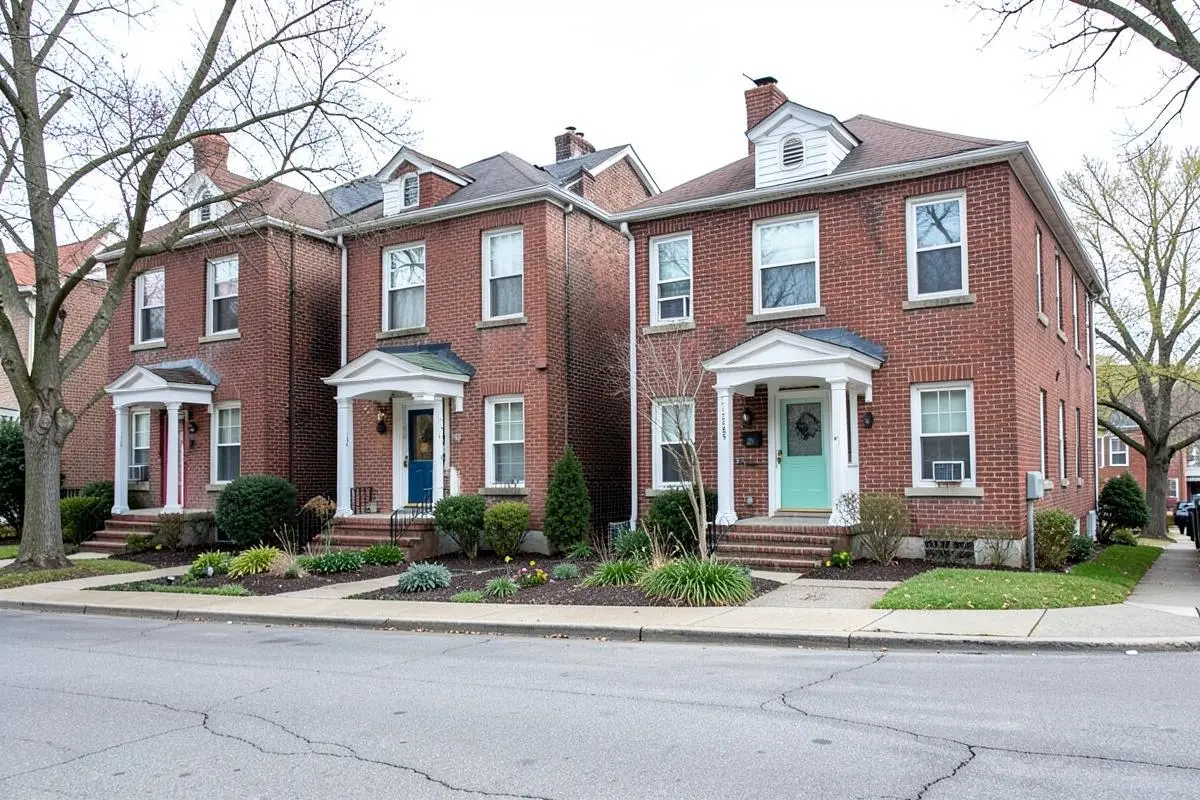
Pelham Bay's brick two-family houses and the detached homes near the park were bought decades ago and have appreciated many times over, and a foreclosure auction on one of them, even at the discount bidders demand, routinely produces a price well above the lender's judgment. The referee conducting the sale on Grand Concourse pays the plaintiff its judgment with interest, the costs of the sale and the referee's own fee, and is required by RPAPL 1354 to deposit whatever remains with the Bronx County Clerk and to file a report of sale identifying the surplus. From that point the money is held by the court, earning little, until a claimant proves entitlement. The lender has no interest in it and will not tell the former owner it exists; the purchaser has no interest in it; and the referee's obligation ends with the deposit.
RPAPL 1361 governs what happens next. Any person claiming the surplus, the former owner, a second mortgagee, a judgment creditor, a condominium board, a spouse with an equitable interest, files a notice of claim with the clerk and moves for the appointment of a referee to hear the claims and determine priority. Under RPAPL 1362 the referee holds a hearing, takes proof of each lien and its amount, and reports; the court confirms the report and directs the clerk to pay. Junior lienholders are paid in the order their liens attached, and the former owner receives the balance. The statute contemplates that the motion be made within three months of the report of sale, but courts routinely grant leave for later motions, and I have recovered surplus for Bronx homeowners years after the auction. What no one should assume is that the money will find them; funds unclaimed for long enough are turned over to the State Comptroller as abandoned property, and the process of recovering them from Albany is slower still.
Who else can claim the surplus from my Pelham Bay sale, and how much will I get?
Every lien junior to the foreclosing mortgage is paid from the surplus before the former owner: a second mortgage or equity line, judgment creditors docketed against the property, unpaid city charges, a condominium board. Each must prove its lien at the RPAPL 1362 referee's hearing, and each is open to challenge. Whatever remains goes to the former Pelham Bay owner.
The surplus money proceeding is a contest among everyone who had a claim on the Pelham Bay property below the first mortgage, and the former owner is both the last in line and the party with the most to gain from disputing the others. A second mortgage holder must prove it holds a valid, unsatisfied lien and its balance, and a zombie second that was accelerated more than six years earlier is time-barred under CPLR 213(4) and can be denied any share; a judgment creditor must show a judgment docketed in the Bronx before the sale, and judgments more than ten years old have lapsed as liens unless renewed; a debt buyer must prove its chain of assignment. The referee appointed under RPAPL 1361 takes proof at a hearing and reports on each claim's validity, amount and priority, and objections to that report are decided by the assigned justice before payment.
The former owner's own claim is simple, title on the day of the sale, but there are complications a Pelham Bay family should anticipate. Where the borrower has died, the estate's representative claims through Surrogate's Court letters. Where the house was jointly owned, the surplus is divided by the co-owners' interests. Where a divorce decree allocated the equity, the matrimonial order controls. Where the former owner filed bankruptcy, the trustee may claim the non-exempt portion, though the New York homestead exemption, which for a Bronx home is well into six figures and indexed for inflation, protects a large share. I prepare the former owner's claim with the deed, the judgment, the report of sale and the lien search, oppose the junior claims that do not hold up, and see the confirmed report through to the clerk's payment. Recoveries in Pelham Bay surplus proceedings have ranged from tens of thousands of dollars to several hundred thousand, and every dollar of it was the family's before the auction.
Where are Pelham Bay foreclosure cases heard?
Pelham Bay foreclosures are heard at Bronx County Supreme Court, 851 Grand Concourse in the Bronx, about 20 minutes away on the 6 train and the 4. CPLR 3408 settlement conferences run in the settlement conference part, the assigned justice decides motions, the referee's auction is held at the courthouse, and surplus proceedings are brought in the same action.
The Grand Concourse courthouse in the Bronx is where the Pelham Bay case begins and, if it goes to auction, where the surplus is claimed afterward, because RPAPL 1361 proceedings are brought in the foreclosure action itself before the justice who signed the judgment. I have practiced foreclosure defense for 27 years, and I have returned to that courthouse for former owners who had moved out of the Bronx entirely, unaware that a six-figure deposit in their name had been sitting with the clerk since their house was sold.
Before any sale, the case follows the ordinary course. The court attorney referees in the conference part run the CPLR 3408 conferences for owner-occupied Pelham Bay homes and record whether the servicer negotiated in good faith; the assigned justices decide standing, RPAPL 1304 and 1306, the six-year statute of limitations and the amount due; and appeals go to the Appellate Division, First Department. A contested Pelham Bay case runs two to four years from the summons to any auction, which is time enough to sell the house privately at full value rather than let it go to a referee's sale at a discount. A Pelham Bay case nobody answers reaches auction in about a year. After the sale, the same justice hears the RPAPL 1361 motion, appoints the referee under RPAPL 1362, and confirms the report; the clerk's office on the same floors holds and disburses the funds. A Pelham Bay homeowner who calls me before the auction keeps the house or all of its equity; one who calls after it recovers what the auction left, which is still worth recovering.
Did the lender comply with RPAPL 1304 and 1306, and can that undo a completed sale?
The lender had to mail each Pelham Bay borrower a separate RPAPL 1304 90-day notice by certified and regular mail with a Bronx counselor list, and file under RPAPL 1306 within three business days. Where a default judgment and sale rest on an unproven notice, a prompt motion to vacate can unwind the sale.
In the First Department, which reviews Pelham Bay cases, RPAPL 1304 demands strict compliance, and the plaintiff must prove the mailing by a witness with personal knowledge or an office practice that witness actually follows. Notices to two borrowers in one envelope, notices without the Bronx counselor list, notices in the wrong type size and conclusory mailing affidavits have each defeated lenders on appeal; since the Court of Appeals' 2023 decision in Kessler, additional language in the envelope does not by itself void the notice, so the analysis focuses on the mailing, the contents and the counselor list. RPAPL 1306 requires the electronic filing with the Department of Financial Services within three business days of the mailing, proven by the confirmation, and a default judgment entered on a complaint that pleaded the filing without the confirmation rests on an unproven condition precedent.
For a Pelham Bay homeowner still in the case, these defects end it: dismissal without prejudice, a restart of the 90-day process, and on a loan accelerated years earlier a restart that may fall outside the six years CPLR 213(4) allows, with the Foreclosure Abuse Prevention Act, effective December 30, 2022, barring the lender from claiming the acceleration was revoked. For a former owner after the sale, the same defects support a CPLR 5015 motion to vacate the default judgment and the sale, which must be brought quickly and weighed against the purchaser's rights. Some Pelham Bay families want the house back and bring the motion; others, having moved on, prefer to take the surplus and end the matter, and the choice is theirs. What they should not do is let a company that found their name in the clerk's records make the choice for them.
What is the deadline to answer, and what is the deadline to claim surplus?
Before the sale, the answer is due 20 days after personal delivery or 30 days after other service, with substituted service complete ten days after the affidavit is filed with the Bronx County Clerk. After the sale, RPAPL 1361 contemplates a surplus motion within three months of the report of sale, but courts grant leave for later Pelham Bay motions.
The answer deadline is the one that determines whether there is ever an auction. The answer pleads standing first or it is waived, the six-year limitations period under CPLR 213(4) as an affirmative defense, the RPAPL 1304 and 1306 conditions precedent, and a specific denial of the amount claimed, and it states that the Pelham Bay owner occupies the home so the CPLR 3408 conference is mandatory. Substituted service is complete ten days after the affidavit is filed and the 30 days run from then; a written stipulation from the plaintiff's attorney extends the deadline and nothing said to the servicer does. An answered case runs two to four years and puts the household in the conference part; an unanswered one runs to a discounted auction in about a year, and the surplus proceeding is the consolation prize.
The surplus deadline is more forgiving than it reads. RPAPL 1361(2) provides that a claimant move within three months after the report of sale is filed, but the same section allows a later motion with leave, and courts grant leave freely where the funds remain on deposit and no one has been prejudiced by the delay. The practical deadline is the transfer of the funds to the State Comptroller as abandoned property, which occurs after a statutory period of dormancy and converts a simple Bronx motion into a claim against the state. A Pelham Bay former owner should also act before a junior creditor moves first, because a creditor's motion proceeds on the creditor's proof, and the former owner who does not appear at the referee's hearing has no one contesting the creditor's lien or protecting the balance. The first step is a lien search and a copy of the report of sale from the clerk, which tell us how much is on deposit and who else is likely to claim it.
What are my options before and after a Pelham Bay auction?
Before the sale, you own the Pelham Bay home until a referee delivers a deed and can reinstate, modify through the CPLR 3408 conference part, sell privately with the lender paid at closing and every dollar of equity kept, or vacate a defective judgment. After the sale, you can move to vacate or claim the surplus under RPAPL 1361.
The right outcome for a Pelham Bay homeowner with equity is to never see the referee. A private sale while the case is pending brings market value rather than the auction discount, pays the lender at closing on a payoff figure the homeowner's attorney has checked, avoids the default interest and fees that a judgment adds and the referee's fee that the sale deducts, and delivers the entire equity to the seller at the closing table instead of a portion of it through a surplus proceeding months later. A modification through the conference part on Grand Concourse keeps the house for a family that wants to stay; a reinstatement cures a hardship that has passed; and a motion to vacate undoes a default judgment obtained on defective service or an unproven RPAPL 1304 notice.
After an auction that has already happened, the options narrow to two. Where the judgment rests on defective service or an unproven condition precedent and the family wants the house, a prompt CPLR 5015 motion to vacate the judgment and the sale is brought, weighed against the purchaser's rights. Where the family has moved on, the RPAPL 1361 surplus proceeding recovers what the auction left: the motion, the referee's hearing, the contest of junior liens, the confirmed report and the clerk's check. A deficiency is not a concern where the sale produced a surplus, and under RPAPL 1371 a lender that was paid in full from the auction has nothing to pursue. A Pelham Bay family should never sign over its surplus claim to a recovery company for a percentage or sell it for a fraction of its value; the claim is theirs by statute, the procedure is fixed, and the cost of bringing it properly is a small fraction of what is on deposit.
How a foreclosure moves through Bronx County Supreme Court
- Default and the 90-day notice
At about 90 days delinquent the servicer mails the RPAPL 1304 notice to each Pelham Bay borrower with a Bronx counselor list and files under RPAPL 1306; federal rules bar suit until more than 120 days of delinquency. Keep the notice and envelope.
- Summons and notice of pendency
The lender files at Bronx County Supreme Court, records a notice of pendency against the Pelham Bay property with the City Register, and serves you. Twenty days to answer after hand delivery, 30 otherwise; the answer preserves every defense and can prevent the auction entirely.
- CPLR 3408 conferences on Grand Concourse
Within about 60 days of proof of service, the Pelham Bay home is scheduled for its first conference. The court attorney referee oversees any Pelham Bay modification review and records whether the servicer acts in good faith. A private sale at full value can be arranged at any point.
- Summary judgment, RPAPL 1321 referee and judgment
If nothing settles, the lender moves for summary judgment and an order of reference; the assigned justice decides standing, notice and limitations defenses; the referee computes the debt; the judgment is signed and the sale published.
- Auction, report of sale and deposit of surplus
The referee sells the Pelham Bay property at the courthouse, pays the judgment, costs and fee, and under RPAPL 1354 deposits any surplus with the Bronx County Clerk within five days, filing a report of sale that states the amount.
- RPAPL 1361 surplus money proceeding
The former owner files a notice of claim and moves for a referee. Junior lienholders prove their liens at the hearing and are paid in priority; the former owner contests invalid or time-barred liens and receives the balance on the confirmed report. Later motions are allowed with leave.
Frequently Asked Questions
My Pelham Bay house was auctioned last year and someone called offering to recover money for me for a 30 percent fee. Is the money real?
Probably, and it is already yours. The referee deposits any surplus over the judgment with the Bronx County Clerk, and you claim it by an RPAPL 1361 motion in the foreclosure action. You do not need to give anyone a percentage or sell your claim. Call (516) 314-1343 and I will check the clerk's records and file the motion.
How do I find out whether there was a surplus from my sale?
The referee's report of sale, filed with the Bronx County Clerk in the foreclosure action, states the sale price, the payments made and the surplus deposited. I obtain it along with a lien search showing who else may claim, and that tells us what is on deposit and what you should expect to receive.
Is it too late to claim surplus if the sale was three years ago?
Usually not. RPAPL 1361 contemplates a motion within three months of the report of sale but allows later motions with leave of court, which is granted routinely while the funds remain on deposit. The real deadline is the transfer of dormant funds to the State Comptroller, after which the claim is made in Albany and takes longer.
How long does a Pelham Bay foreclosure take?
A Pelham Bay foreclosure that is answered and litigated generally spans two to four years before any auction on Grand Concourse, moving through CPLR 3408 conferences, motions, the RPAPL 1321 order of reference and the judgment of foreclosure and sale. An unanswered case can reach auction in about a year, and a surplus proceeding afterward takes several months more.
Will a second mortgage or old judgment take all of my surplus?
Only if it is valid, timely and proven. Junior liens are paid before the former owner, but a second mortgage accelerated more than six years ago is time-barred, a judgment more than ten years old has lapsed as a lien unless renewed, and a debt buyer must prove its chain of title. Each is contested at the referee's hearing.
Can I still sell my Pelham Bay house myself before the auction?
Yes, and you should if you have equity. You hold title until a referee's deed is delivered, a private sale brings market value rather than the auction discount, the lender is paid at closing, and you keep every dollar of equity rather than waiting for a surplus proceeding to return part of it.
Is the first consultation free for Pelham Bay homeowners and former owners?
Yes. Call (516) 314-1343 and bring the summons and complaint or, after a sale, the judgment, any notice of sale you received, the deed, and any letters from surplus recovery companies. I will tell you whether the sale can be challenged, what is on deposit with the clerk, and how to claim it.
More on New York foreclosure defense
- How Long Does Foreclosure Take in New York? The Complete Timeline for Long Island Homeowners (2026)
Most New York foreclosures take 1 to 3 years, and Long Island cases often run longer. A breakdown of all 7 stages and the deadlines that matter.
- What Happens If You Don't Answer a Foreclosure Summons in New York? A Long Island Defense Attorney Explains Your 3 Ways Back In (2026)
In New York you have 20 to 30 days to answer a foreclosure summons. Miss it and you are in default, but three routes back into the case remain open...
- How to Stop a Foreclosure Sale in Nassau County: A Step-by-Step Guide from a Long Island Foreclosure Defense Attorney
A foreclosure sale date is not the end of the road. New York gives homeowners multiple legal tools to stop, delay, or dismiss a foreclosure, but...
- How to Protect Your Long Island Home From Nursing Home Costs
The biggest threat to most Long Island homes isn't foreclosure, it's the cost of long-term care. Here is how a Medicaid Asset Protection Trust, New...
- What Every Nassau County Landlord Must Know About Evictions Under HSTPA
Eviction in New York changed significantly with the 2019 Housing Stability and Tenant Protection Act (HSTPA). For Nassau and Suffolk County...
- Partition Action New York: Forcing the Sale of Inherited or Jointly Owned Property
Long Island home values have made buyouts of co-owned and inherited property hard. Here is how a partition action in New York actually forces a sale...
Served with foreclosure papers in Pelham Bay? Call for a free consultation.
The Bronx homeowners: I will review where your case actually sits, which deadlines are live, and which options are still open, at no cost for the initial consultation. I answer my own phone, 7 days a week, 6:00 AM to 8:00 PM.
Attorney advertising. This page is general information about New York law only, not legal advice, and does not create an attorney-client relationship. Prior results do not guarantee a similar outcome.