Foreclosure Defense Attorney in Deer Park, NY (Served with Papers? Start Here)
Deer Park homeowners have 20 days to answer a foreclosure summons after personal delivery and 30 days after any other service, and the case is heard in Suffolk County Supreme Court in Riverhead. Two things come up in Deer Park files more than most: a forgotten second mortgage or home equity line from the 2000s, and whether bankruptcy is the right way to stop an auction. The second lien may be a time-barred zombie; the bankruptcy is a tool with a place, not a reflex.
Key Takeaways
- Deer Park is in the Town of Babylon; its foreclosures are heard in Suffolk County Supreme Court in Riverhead, about 45 minutes east.
- A second mortgage or HELOC survives a modification of the first and must be paid or negotiated at any sale; a dormant one may be past the CPLR 213(4) six-year limit.
- A bankruptcy filing stops a Riverhead auction the moment it is filed, and Chapter 13 can cure arrears over three to five years; Chapter 7 pauses but does not cure.
- The RPAPL 1304 notice must be sent separately for each loan being foreclosed; a lender enforcing a second lien has its own compliance burden.
- Answer within 20 or 30 days; the statute of limitations defense on either lien is waived if not pleaded.
- You remain the owner until the referee's deed, and a contested case runs two to four years, so a planned exit beats an emergency filing.
What about my second mortgage or home equity line?
A second mortgage or HELOC on a Deer Park home survives a modification of the first and must be paid or negotiated at any sale. Many seconds from 2004 to 2008 went dormant and are now enforced by debt buyers; one accelerated over six years ago is likely time-barred under CPLR 213(4), and FAPA bars resetting the clock.
Deer Park refinanced heavily in the years before 2008, and a great many homeowners took a second mortgage or a home equity line alongside the first. When the first went into default, the second lender often charged off the loan, stopped sending statements, and sold the paper for pennies. Years later a letter arrives from a company nobody has heard of demanding the full balance plus a decade of interest. These are the zombie seconds, and they show up in Deer Park files constantly.
A zombie second has two vulnerabilities. If the original lender accelerated the loan, whether by a demand letter or by filing suit, more than six years ago, the claim is time-barred under CPLR 213(4), and since the Foreclosure Abuse Prevention Act the current holder cannot revive it by pretending the acceleration never happened. And the holder must still comply with RPAPL 1304 and 1306 before it can foreclose on a home loan, which debt buyers routinely botch. A time-barred second can be cancelled of record under RPAPL 1501(4), which clears the title for a sale or refinance. Even a live second is negotiable: junior lienholders facing a first-mortgage foreclosure that would wipe them out will often accept a fraction of the balance to release. Bring me every letter about every loan on the house, including the ones you assumed were dead.
How does bankruptcy interact with a Deer Park foreclosure?
Filing a bankruptcy petition triggers an automatic stay that halts a Deer Park foreclosure immediately, including an auction scheduled in Riverhead for the next morning. A Chapter 13 plan can then cure the arrears over three to five years while regular payments resume.
Bankruptcy is the right answer for some Deer Park homeowners and the wrong answer for many, and I say that as a foreclosure litigator who coordinates with bankruptcy counsel when the numbers call for it. Used as a plan, Chapter 13 saves houses: a homeowner with steady income who fell behind during a bad year proposes to cure the arrears over three to five years while staying current on the mortgage going forward, and if the plan completes, the default is cured and the case is over. Chapter 13 can also strip a wholly unsecured second lien in the right circumstances, which for a Deer Park homeowner with a zombie HELOC is worth a serious look.
Used as an escape hatch the night before the auction, with no budget and no plan, bankruptcy buys a few months, damages credit, and ends with the lender obtaining relief from the stay and the foreclosure resuming where it left off. Repeat filings get shorter stays or none. Bankruptcy also reaches every other debt and, in some cases, property the homeowner would rather keep. The homeowner who never has to make the emergency choice is the one who answered the foreclosure on time and used the two to four years a contested Suffolk case provides. Most of the last-minute filings I see could have been avoided by an answer filed a year or two earlier.
Where is a Deer Park foreclosure heard, and how does it work?
In the Riverhead courthouse of Suffolk County Supreme Court, as a judicial foreclosure. The lender mails the RPAPL 1304 notice, files suit, serves you, survives your answer, completes the CPLR 3408 conferences, wins summary judgment and an RPAPL 1321 order of reference, and obtains a judgment of foreclosure and sale before any auction.
Deer Park foreclosures travel east to Riverhead like every other Suffolk case, and the distance sometimes leads homeowners to believe the case is remote or slow to matter. It is neither. The foreclosure part there is efficient about defaults and deliberate about contested cases, and the difference between the two is entirely the answer.
I have practiced in that part for 27 years, and what I would tell a Deer Park homeowner about it is that it rewards documentation and punishes surprise. When a second lienholder appears mid-case, or a bankruptcy is filed the week before a sale, the court sees a homeowner reacting. When the answer already pleads the statute of limitations on both liens, the modification package is complete at the first CPLR 3408 conference, and the referee's notes show the servicer stalling, the court sees a homeowner defending. Suffolk courts have tolled interest for months of servicer bad faith when the record supported it, and they have denied summary judgment on boilerplate standing affidavits. Neither happens for a homeowner who is not in the case. The calendar is long, two to four years for a contested matter, and that time is the most valuable thing the court gives you.
Did the lender send a compliant 90 day notice?
RPAPL 1304 requires a separate 90-day notice to each Deer Park borrower for the loan being foreclosed, in 14-point type, by certified and first-class mail, with the statutory language and a Suffolk counselor list, and RPAPL 1306 requires a state filing within three business days.
Compliance is measured loan by loan. A lender enforcing a first mortgage cannot rely on a notice sent years earlier by a different servicer, and a debt buyer enforcing a second lien cannot rely on the first lender's notice at all. Each must prove its own mailing through an affiant with knowledge of the mailing or of a standard office practice, and the Second Department has rejected affidavits that recite the statute without describing the practice. Notices sent to two borrowers in one envelope and notices that omit a current counselor list have both produced dismissals in Riverhead.
The RPAPL 1306 filing is a separate condition precedent: the lender must file the notice information with the Department of Financial Services within three business days of mailing and must plead and prove it. Debt buyers holding zombie seconds fail this more often than any other category of plaintiff, because the loan was charged off and nobody was maintaining a compliance file. A dismissal on either ground is without prejudice, but the lender must restart, and on a Deer Park loan accelerated a decade ago the CPLR 213(4) clock has usually already run. That is the combination that ends cases for good: a notice defect plus an old acceleration date.
What is the deadline to answer, and what happens at the conference?
Twenty days from personal delivery, thirty from any other method, running from ten days after the affidavit is filed in Riverhead for substituted service. The answer must plead the CPLR 213(4) limitations defense as to each lien on the Deer Park property. Once proof of service is filed, the CPLR 3408 conference is set within about 60 days.
For a Deer Park homeowner the answer is where the second-lien and limitations defenses get preserved, and those defenses are the ones that produce dismissals rather than delays. The answer must plead noncompliance with RPAPL 1304 and 1306, lack of standing, the CPLR 213(4) statute of limitations, and any dispute over the amount. Standing must be raised at the outset. A homeowner who misses the deadline can move to vacate the default on a reasonable excuse and a meritorious defense, and Riverhead grants those, but the motion weakens with each month and sharply after a judgment.
The conference is where the modification happens. CPLR 3408 requires it for owner-occupied one to four family homes, the lender must appear with authority, and both sides owe good faith. Suffolk courts have penalized servicers for repeated document requests and unexplained denials by tolling interest and barring fees for the delay, which on a Deer Park mortgage with years of arrears is a meaningful reduction. Bring income proof for every contributing adult, two years of tax returns, bank statements, a hardship letter, and every statement or letter about the second lien, because the servicer of the first will want to know the second is being dealt with. A modification of the first does not touch the second; the plan for the second has to be part of the conversation.
Can I stay in the house, and what are my options?
Yes. You remain the owner of your Deer Park home until a referee's deed transfers title after the auction in Riverhead. Your options are a modification of the first with the second negotiated or stripped, reinstatement, a market sale that pays both liens at closing, a short sale with written deficiency waivers from each lienholder, or a planned Chapter 13.
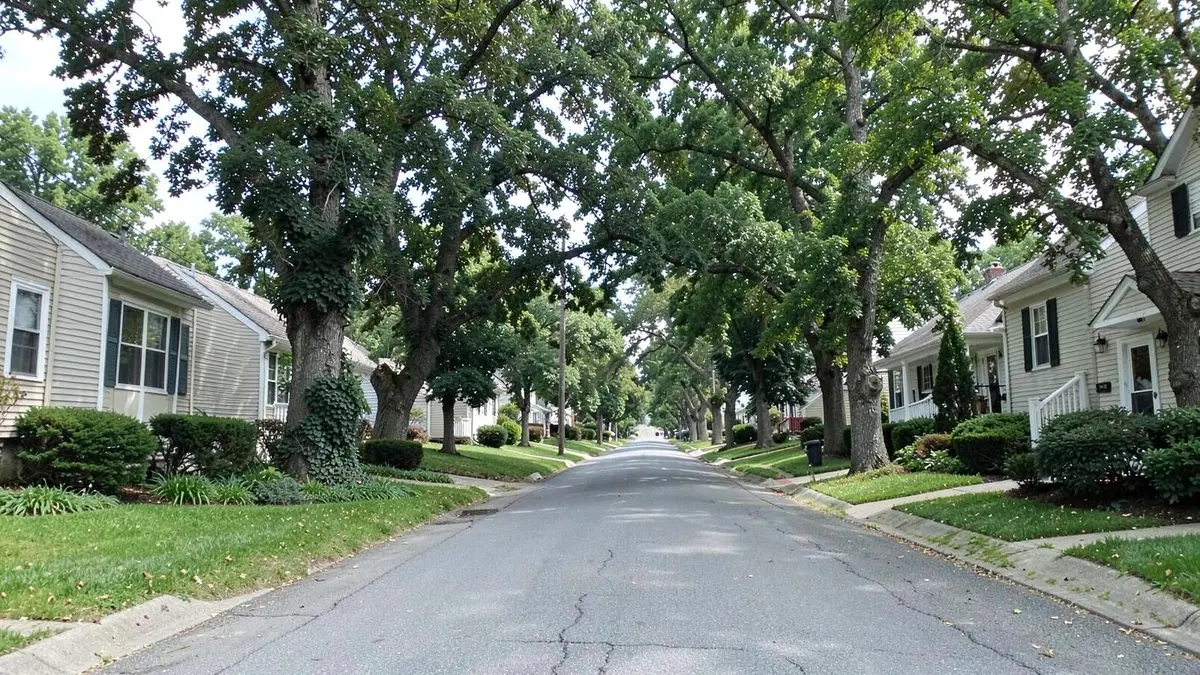
Deer Park capes and ranches held for fifteen or twenty years carry real equity, and the second lien is what most often stands between the homeowner and that equity. A first-mortgage modification that ignores the second leaves a lien that will block any future sale or refinance. A market sale has to pay or release both. The order of operations matters: first determine whether the second is time-barred and cancellable under RPAPL 1501(4), then negotiate a release of any live second, then choose between keeping the house through a modification or selling it at market with clean title.
If the house is underwater on the combined liens, a short sale requires written consent and a deficiency waiver from each lienholder, and a junior holder facing a wipeout at auction is usually willing. If the property does go to sale, the first lender has 90 days from the referee's deed to seek a deficiency under RPAPL 1371, any surplus goes to junior liens before it reaches you under RPAPL 1361, and a Chapter 7 can discharge personal liability on whatever remains. What no Deer Park homeowner should do is let the auction date decide the plan. The two to four years a contested case provides is enough time to do this in order, and the order is what protects the equity.
How a foreclosure moves through Suffolk County Supreme Court
- Default and the RPAPL 1304 notice
Around 90 days past due the servicer mails the RPAPL 1304 notice to each Deer Park borrower and files it under RPAPL 1306. Under federal rules the case cannot start before the loan is 120-plus days delinquent. Pull every statement and letter on the second mortgage or HELOC now; its history may control the case.
- Summons filed in Riverhead
The lender files in Suffolk County Supreme Court, records a notice of pendency against the Deer Park property, names junior lienholders as defendants, and serves you. Count 20 days from hand delivery or 30 from any other service to file the answer. Plead CPLR 213(4) as to every lien.
- CPLR 3408 conferences
For an owner-occupied home the Riverhead part schedules the first conference roughly 60 days after proof of service. The referee manages the review of the modification package and keeps a record of good faith. The plan for the second lien belongs in this conversation from the start.
- Summary judgment and RPAPL 1321 referee
Failing a settlement, the lender seeks summary judgment and an order of reference. The assigned justice rules on the notice, standing and limitations defenses raised in the answer. The referee computes the debt on the first; junior liens are addressed in the judgment and at sale.
- Judgment, notice of sale and last options
The court signs the judgment of foreclosure and sale and a notice of sale is published. A market sale paying both liens can still close, a motion to vacate may lie for defects, and a planned Chapter 13 filed now, with a budget, is a legitimate tool. Filed the night before with no plan, it is not.
- Auction and beyond
The referee holds the auction in Riverhead and hands over the deed afterward. Surplus goes to junior liens, then to you under RPAPL 1361 on a claim. Under RPAPL 1371 the deficiency window closes 90 days after the deed. Chapter 7 can discharge remaining personal liability. Occupants are removed only through further court process.
Frequently Asked Questions
Will bankruptcy stop my Deer Park foreclosure?
Filing imposes an automatic stay that halts the foreclosure and any scheduled Riverhead auction immediately. Chapter 13 can then cure the arrears over three to five years if your income supports the plan; Chapter 7 pauses the case but does not cure the default, and the lender will move to lift the stay. It works as a plan, not as a last-minute escape.
I got a letter about a second mortgage I forgot about. What is that?
Probably a zombie second: a HELOC or second mortgage from the 2000s that was charged off, sold to a debt buyer, and is now being enforced with a decade of interest added. If the original lender accelerated it more than six years ago, it is likely time-barred under CPLR 213(4) and can be cancelled of record. Bring every letter to your first meeting.
Where is a Deer Park foreclosure heard?
In Suffolk County Supreme Court in Riverhead. Babylon Town Hall and the local district court have no role in a mortgage foreclosure. From the first conference to the auction, the case is heard in Riverhead.
How long does a Suffolk foreclosure take?
A contested case commonly runs two to four years from the summons to an auction, through the settlement conferences, summary judgment, the RPAPL 1321 order of reference and the judgment of foreclosure and sale. An unanswered case can reach auction in about a year, which is when homeowners start asking about bankruptcy.
Can I sell my Deer Park house during the foreclosure if there is a second mortgage on it?
Yes, but both liens must be paid or released at closing. A live second can often be negotiated down because the junior holder would be wiped out at auction; a time-barred second can be cancelled under RPAPL 1501(4). Clearing the second first is what makes a clean sale possible.
Does modifying my first mortgage get rid of the second?
No. A modification of the first mortgage has no effect on a second mortgage or HELOC, which remains a lien on the Deer Park property and will block a future sale or refinance until it is paid, released, cancelled as time-barred, or stripped in a Chapter 13. The second needs its own plan.
Is the first consultation free for Deer Park homeowners?
Yes. Call (516) 314-1343. Bring the summons and complaint, the 90-day notice, recent mortgage statements, every letter or statement about any second mortgage or HELOC, two years of tax returns, income documents, and a list of your other debts if bankruptcy is on your mind. I will tell you plainly which tool fits.
More on New York foreclosure defense
- How Long Does Foreclosure Take in New York? The Complete Timeline for Long Island Homeowners (2026)
Most New York foreclosures take 1 to 3 years, and Long Island cases often run longer. A breakdown of all 7 stages and the deadlines that matter.
- What Happens If You Don't Answer a Foreclosure Summons in New York? A Long Island Defense Attorney Explains Your 3 Ways Back In (2026)
In New York you have 20 to 30 days to answer a foreclosure summons. Miss it and you are in default, but three routes back into the case remain open...
- How to Stop a Foreclosure Sale in Nassau County: A Step-by-Step Guide from a Long Island Foreclosure Defense Attorney
A foreclosure sale date is not the end of the road. New York gives homeowners multiple legal tools to stop, delay, or dismiss a foreclosure, but...
- How Much Does a Quiet Title Action Cost in New York? The Real Numbers and the Timeline (2026)
Court fees for a New York quiet title action run about $400, and attorney fees depend on who fights back. The real numbers and the timeline.
- How to Protect Your Long Island Home From Nursing Home Costs
The biggest threat to most Long Island homes isn't foreclosure, it's the cost of long-term care. Here is how a Medicaid Asset Protection Trust, New...
- Surplus Money Proceedings in New York Foreclosure: How to Claim the Excess
How surplus money proceedings work after a New York foreclosure sale: who gets the excess, how to file a claim, and the deadlines Nassau & Suffolk...
Served with foreclosure papers in Deer Park? Call for a free consultation.
Suffolk County homeowners: I will review where your case actually sits, which deadlines are live, and which options are still open, at no cost for the initial consultation. I answer my own phone, 7 days a week, 6:00 AM to 8:00 PM.
Attorney advertising. This page is general information about New York law only, not legal advice, and does not create an attorney-client relationship. Prior results do not guarantee a similar outcome.