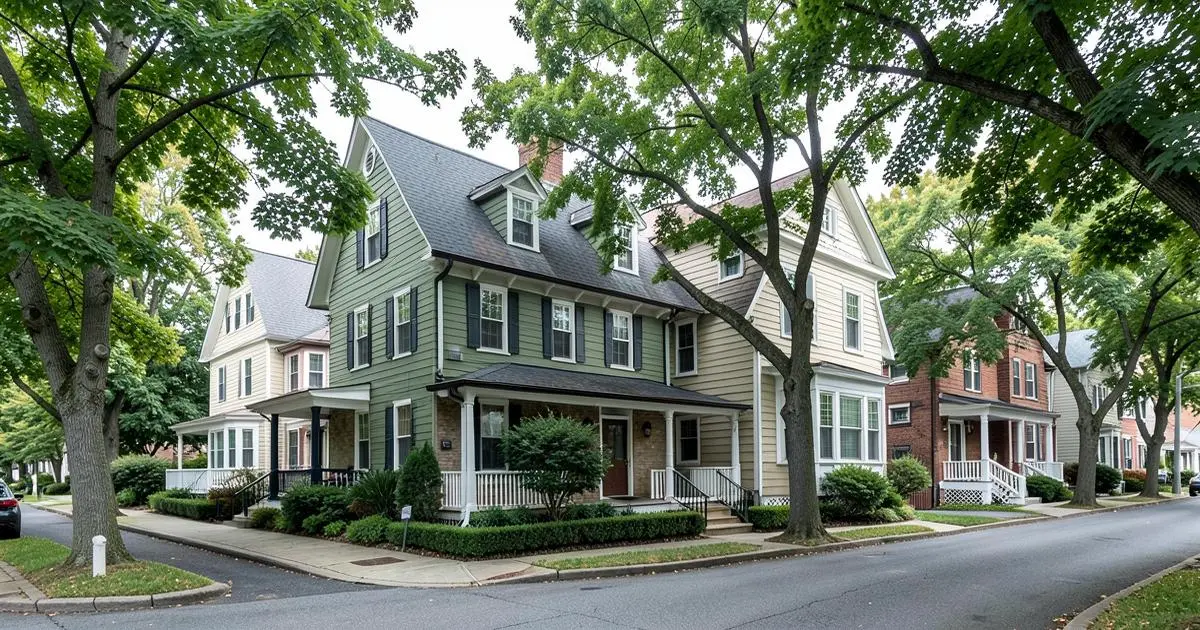
Laurelton, Queens Foreclosure Defense Lawyer: Protecting Queens Homeowners
Laurelton homeowners have 20 days to answer a foreclosure summons handed to them and 30 days otherwise, and the case is heard at Queens County Supreme Court on Sutphin Boulevard in Jamaica, about 15 minutes away. The plaintiff suing a Laurelton homeowner is almost never the bank that made the loan; it is a trust or debt buyer that must prove it held the note when it sued. That proof, called standing, fails often in Southeast Queens. I have litigated it for 27 years.
Key Takeaways
- Laurelton is in Queens; foreclosures are heard at Queens County Supreme Court, 88-11 Sutphin Boulevard in Jamaica.
- A plaintiff has standing only if it held the note, endorsed to it or in blank, or a valid assignment of the mortgage and note, on the date the Laurelton action was commenced.
- Endorsements, allonges, lost note affidavits under UCC 3-309 and MERS assignments are each attacked on their own terms, and a gap in the chain defeats the case.
- Standing must be raised in the answer or it is waived; once raised, the plaintiff carries the burden of proving it with admissible evidence.
- A case dismissed for lack of standing can be refiled by the right party, but on a Laurelton loan accelerated years ago, CPLR 213(4) and the Foreclosure Abuse Prevention Act often bar the refiling.
- The 20 or 30 day answer deadline is the only chance to preserve the standing defense; a contested Queens case then runs two to four years.
Who is actually suing me, and do they have the right to?
The plaintiff on a Laurelton foreclosure is usually a securitization trust or debt buyer that acquired the loan years after origination. It has standing only if it proves it held the original note, endorsed to it or in blank, or a written assignment, on the day it filed in Jamaica. Once the answer raises standing, the plaintiff must prove it.
The name at the top of a Laurelton complaint is rarely a name the homeowner recognizes: a trust identified by a series number and a trustee bank, or a limited liability company that buys defaulted loans in bulk. Behind that name is a chain of transfers from the original lender, often a subprime originator that failed in 2007 or 2008, through one or more intermediaries, into the trust or the buyer. New York law requires the plaintiff to have been the holder or assignee of the note when it commenced the action, and the Second Department has decided hundreds of appeals on exactly what proof satisfies that requirement.
The proof comes in a few forms, and each has weaknesses. Physical possession of the original note endorsed in blank, established by an affidavit from someone with personal knowledge of when the plaintiff or its custodian received it, is the strongest; a form affidavit that does not say when possession began fails. An endorsement on an allonge must be affixed to the note, and undated allonges that appear only after the standing challenge are suspect. A written assignment of the mortgage alone does not transfer the note. A lost note affidavit under UCC 3-309 requires proof that the plaintiff was entitled to enforce the note when it was lost and that the loss was not a transfer, and trusts that never received the original struggle with both. Where the chain has a gap, the plaintiff lacks standing and the Laurelton case is dismissed. I request the original note for inspection in every case, because the plaintiff's answer to that request tells me how the case will end.
What is a lost note affidavit, and can the lender foreclose without the note?
UCC 3-309 lets a party enforce a lost note if it proves it was entitled to enforce the note when the loss occurred, the loss was not a transfer or seizure, and the note cannot be found. A Laurelton lender relying on a lost note affidavit must prove each element, and trusts that never held the original often cannot.
Subprime loans were sold so quickly and so often that the original notes were sometimes never delivered to the trust that ended up claiming them, and when the foreclosure was filed years later the trust discovered it had a copy and an affidavit that the original could not be found. New York permits enforcement of a lost instrument, but on strict terms. The plaintiff must show that it, not a predecessor, was in possession and entitled to enforce the note at the moment it was lost; a trust that never received the note cannot make that showing, and courts have rejected lost note affidavits that assert a predecessor's possession or that describe the loss in conclusory terms.
The affidavit must also describe the search that was made and explain why the note cannot be reasonably obtained, and it must exclude the possibility that the note was transferred to someone else, which on a loan sold repeatedly is a real possibility. A Laurelton homeowner facing a lost note affidavit is entitled to discovery on when the note was last seen, who had it, and what the custodian's records show, and that discovery frequently exposes a chain of custody that ends before the plaintiff. Where the plaintiff cannot enforce the note, it cannot foreclose the mortgage that secures it, and the case is dismissed. The court also has authority under UCC 3-309 to require protection for the homeowner against a later claim by whoever actually holds the note, which is a further reason lenders prefer to settle these cases than litigate them.
Where are Laurelton foreclosure cases heard?
Laurelton foreclosures are heard at Queens County Supreme Court, 88-11 Sutphin Boulevard in Jamaica, about 15 minutes away. CPLR 3408 conferences run in the foreclosure settlement conference part, standing motions are decided by the assigned justice, and the referee's auction is held at the courthouse. Queens justices have decided more standing disputes than almost any bench in New York.
The Sutphin Boulevard courthouse in Jamaica spent the decade after 2008 sorting out which trusts and debt buyers actually owned the loans they were foreclosing, and its justices developed a precise understanding of what standing proof requires. I have practiced foreclosure defense for 27 years, and in this courthouse a standing challenge supported by a demand to inspect the original note is taken seriously from the first motion.
The court attorney referees in the conference part will not treat a plaintiff's standing as established merely because the servicer's representative asserts it, and a pending standing challenge is leverage in the modification negotiation, because a servicer that may not be able to prove its client owns the loan has reason to settle. The assigned justices decide standing on summary judgment and, where facts are disputed, at trial, and Queens justices have denied summary judgment and dismissed complaints where the possession affidavit was undated, the allonge appeared late, the assignment chain had a gap, or the lost note affidavit failed UCC 3-309. A contested Laurelton case runs two to four years from the summons to an auction; a case with a strong standing defense often ends earlier, in dismissal or a settlement the plaintiff prefers to losing. An unanswered case reaches auction in about a year with standing never tested.
Did the lender comply with RPAPL 1304 and 1306, and how does that relate to standing?
The lender had to mail each Laurelton borrower a separate RPAPL 1304 90-day notice in 14-point type by certified and regular mail, with a counselor list, and file it under RPAPL 1306 within three business days. The notice must come from a party entitled to send it, so a plaintiff lacking standing at mailing has a notice problem.
The appellate court for Jamaica requires strict RPAPL 1304 compliance, established through a witness who knows the mailing or the standard practice behind it, and a Laurelton lender loses on any of the recurring defects: two borrowers in one envelope, a counselor list for another county, or a form affidavit. RPAPL 1306 requires a state filing within three business days of the 90-day notice, and the Laurelton lender proves it, if at all, with the filing confirmation. Laurelton loans that changed hands repeatedly fail these requirements at a high rate, because the entity that mailed the notice and the entity that filed the case are often different and neither has the other's records.
Standing and notice reinforce each other. The RPAPL 1304 notice must be sent by the lender, assignee or servicer entitled to enforce the loan, and a notice mailed on behalf of a trust that had not yet acquired the note is sent by the wrong party. The RPAPL 1306 filing identifies the lender, and a filing in the name of an entity that lacked standing is evidence of the chain's disorder. Where either statute fails, the Laurelton case is dismissed without prejudice and the lender must restart, and on a loan first accelerated in an earlier action that was abandoned, the restart may not fit inside the six years CPLR 213(4) allows, with the Foreclosure Abuse Prevention Act, effective December 30, 2022, preventing the lender from claiming the acceleration was revoked. A dismissal for lack of standing followed by a time-barred refiling is how Laurelton mortgages get cancelled under RPAPL 1501(4).
What is the deadline to answer, and why must standing be raised in it?
Twenty days after personal service, or 30 after other service, the answer is due; substituted service is complete ten days after the affidavit is filed in Queens. Lack of standing is waived under CPLR 3211(e) unless raised in the answer or a pre-answer motion. Once raised, the Laurelton plaintiff must prove it with evidence.
Standing is the one defense with an unforgiving procedural rule: a defendant who answers without raising it, or who defaults, has waived it, and the plaintiff need never prove it owned the loan. That rule has cost Laurelton homeowners houses that a trust with no note could never have taken from a homeowner who answered. The answer must assert lack of standing as an affirmative defense, and it should be accompanied by a demand to inspect the original note and a discovery demand for the custodial records, endorsements, allonges and assignments.
The rest of the answer follows the usual pattern: the CPLR 213(4) statute of limitations, the RPAPL 1304 and 1306 conditions precedent, and a specific denial of the amount claimed. A defaulted case reaches auction in about a year; a defended one runs two to four years and puts the plaintiff to proof it may not have. Nothing said to the servicer extends the deadline; a written stipulation from the plaintiff's attorney does, and I obtain one where the client retains me late. Where a default has already been entered, a motion to vacate for a reasonable excuse and a meritorious defense can revive the standing challenge, and Queens justices have granted those motions where the plaintiff's own papers showed a broken chain. The single most important sentence in a Laurelton answer is the one that says the plaintiff lacks standing.
What are my options for keeping or selling the Laurelton house?
You own the Laurelton home until a referee delivers a deed after an auction, and until then you can reinstate, modify through the CPLR 3408 conference part with the standing challenge as leverage, negotiate a discounted payoff from a plaintiff that cannot prove its chain, sell with the lender paid at closing, or short sell with an RPAPL 1371 waiver.
A Laurelton homeowner with a real standing defense has options an ordinary borrower does not. A plaintiff that cannot locate the original note or close a gap in its assignments faces dismissal, and dismissal on a loan accelerated years earlier may mean the mortgage can never be enforced; that prospect produces modifications with terms the conference part would not otherwise see, discounted payoffs, and occasionally an outright cancellation of the mortgage under RPAPL 1501(4) when the refiling is time-barred. A completed modification ends the case; a household whose income has recovered reinstates or enters a repayment plan.
Where the household is leaving, a market sale while the case is pending pays the lender at closing and preserves the equity; a plaintiff with a shaky chain of title will cooperate with a payoff to avoid litigating standing. The notice of pendency does not prevent the sale, though the buyer's title company will want the lender's release from the entity that can actually give it. Avoiding the Jamaica auction is the goal: bidders pay a discount, default interest and fees come off the top, and whatever surplus remains stays with the Queens County Clerk until someone files under RPAPL 1361. On the rare underwater Laurelton loan, a short sale requires the lender's consent and a written waiver of any deficiency under RPAPL 1371. Every one of these outcomes begins with two words in the answer: lack of standing.
How a foreclosure moves through Queens County Supreme Court
- Default and the 90-day notice
At about 90 days delinquent the servicer mails the RPAPL 1304 notice to each Laurelton borrower and files under RPAPL 1306; federal rules bar suit until more than 120 days of delinquency. Note which entity sent the notice; it must be one entitled to enforce the loan.
- Summons from a trust or debt buyer
The plaintiff files at Queens County Supreme Court, records a notice of pendency against the Laurelton property, and serves you. Twenty days to answer after hand delivery, 30 otherwise; the answer must plead lack of standing or the defense is waived under CPLR 3211(e).
- Discovery and the CPLR 3408 conferences
About 60 days after proof of service, the owner-occupied home gets its first conference on Sutphin Boulevard. Meanwhile a demand to inspect the original note and produce the endorsements, allonges, assignments and custodial records tests the plaintiff's chain.
- Summary judgment on standing
The plaintiff moves for summary judgment and an RPAPL 1321 order of reference and must prove standing with an affidavit establishing possession of the endorsed note on the filing date, a valid assignment, or a compliant UCC 3-309 lost note showing. The assigned justice decides; a gap defeats the motion.
- Judgment of foreclosure and sale, or dismissal
If standing is proven and the case does not settle, the referee's report is confirmed, the judgment signed and the sale published; a modification, payoff or market sale can still close before the auction. If standing fails, the case is dismissed, and a time-barred refiling leads to RPAPL 1501(4) cancellation.
- Auction and post-sale
If a sale occurs, the referee sells the Laurelton property at the courthouse and delivers a deed. The former Laurelton owner claims surplus under RPAPL 1361; the lender must move under RPAPL 1371 within 90 days of the deed for any deficiency; RPAPL 1305 protects tenants; and removal of occupants runs through Housing Court only.
Frequently Asked Questions
I have never heard of the company suing me. How can it foreclose on my Laurelton house?
Only if it proves it held your note, endorsed to it or in blank, or a valid assignment of the note and mortgage, on the day it filed. Trusts and debt buyers that acquired Southeast Queens loans years after origination often cannot close that chain, and a gap means dismissal. The defense must be raised in your answer.
What if the lender says the original note was lost?
It must satisfy UCC 3-309: prove that it, not a predecessor, was entitled to enforce the note when the loss occurred, that the loss was not a transfer, and that the note cannot be obtained with reasonable effort. Trusts that never received the original frequently fail the first element, and the case is dismissed.
How long does a Laurelton foreclosure take?
The contested Laurelton case runs about two to four years from service to sale: settlement conferences under CPLR 3408, motions before the assigned justice, the RPAPL 1321 order of reference, and the judgment of foreclosure and sale. A case with a strong standing defense often ends sooner. Skip the answer and a Laurelton case is at auction in roughly a year.
If the case is dismissed for lack of standing, can they just sue again?
The right party can, but on a Laurelton loan that was first accelerated more than six years ago, CPLR 213(4) bars the refiling and the Foreclosure Abuse Prevention Act, effective December 30, 2022, prevents the lender from claiming the acceleration was revoked. In that situation the mortgage can be cancelled under RPAPL 1501(4).
What is MERS and does it affect standing?
Mortgage Electronic Registration Systems is a registry that held mortgages as nominee for lenders. An assignment from MERS transfers the mortgage but not the note unless MERS was authorized to transfer the note, and the Second Department has held that a MERS assignment alone does not confer standing. The plaintiff must separately prove it holds the note.
Can I sell my Laurelton house while the case is pending?
Yes. Laurelton owners hold title right up to the referee's deed, and a sale can close at any time before the auction. The lender is paid from the proceeds at closing, and the buyer's title company will require the release to come from the entity that can actually give it, which a plaintiff with a shaky chain is motivated to arrange.
Is the first consultation free for Laurelton homeowners?
Yes. Call (516) 314-1343 and bring the summons and complaint with every exhibit, especially the copy of the note and any assignments attached, the 90-day notice and its envelope, and every letter identifying who owns or services the loan. I will trace the chain and tell you whether the plaintiff can prove it.
More on New York foreclosure defense
- How Long Does Foreclosure Take in New York? The Complete Timeline for Long Island Homeowners (2026)
Most New York foreclosures take 1 to 3 years, and Long Island cases often run longer. A breakdown of all 7 stages and the deadlines that matter.
- What Happens If You Don't Answer a Foreclosure Summons in New York? A Long Island Defense Attorney Explains Your 3 Ways Back In (2026)
In New York you have 20 to 30 days to answer a foreclosure summons. Miss it and you are in default, but three routes back into the case remain open...
- How to Stop a Foreclosure Sale in Nassau County: A Step-by-Step Guide from a Long Island Foreclosure Defense Attorney
A foreclosure sale date is not the end of the road. New York gives homeowners multiple legal tools to stop, delay, or dismiss a foreclosure, but...
- How Long Does It Take to Get Surplus Funds After a New York Foreclosure? The Real Payout Timeline (2026)
Most former homeowners wait six months to a year to receive foreclosure surplus funds in New York. Each stage of the payout and what slows it down.
- How Much Does a Real Estate Attorney Cost in New York? The Real Fees for Long Island Buyers and Sellers (2026)
Most Long Island real estate attorneys charge a flat fee of about $1,500 to $3,000 for a residential closing, and NYC runs higher. Here is who pays...
- Surplus Money Proceedings in New York Foreclosure: How to Claim the Excess
How surplus money proceedings work after a New York foreclosure sale: who gets the excess, how to file a claim, and the deadlines Nassau & Suffolk...
Served with foreclosure papers in Laurelton? Call for a free consultation.
Queens homeowners: I will review where your case actually sits, which deadlines are live, and which options are still open, at no cost for the initial consultation. I answer my own phone, 7 days a week, 6:00 AM to 8:00 PM.
Attorney advertising. This page is general information about New York law only, not legal advice, and does not create an attorney-client relationship. Prior results do not guarantee a similar outcome.