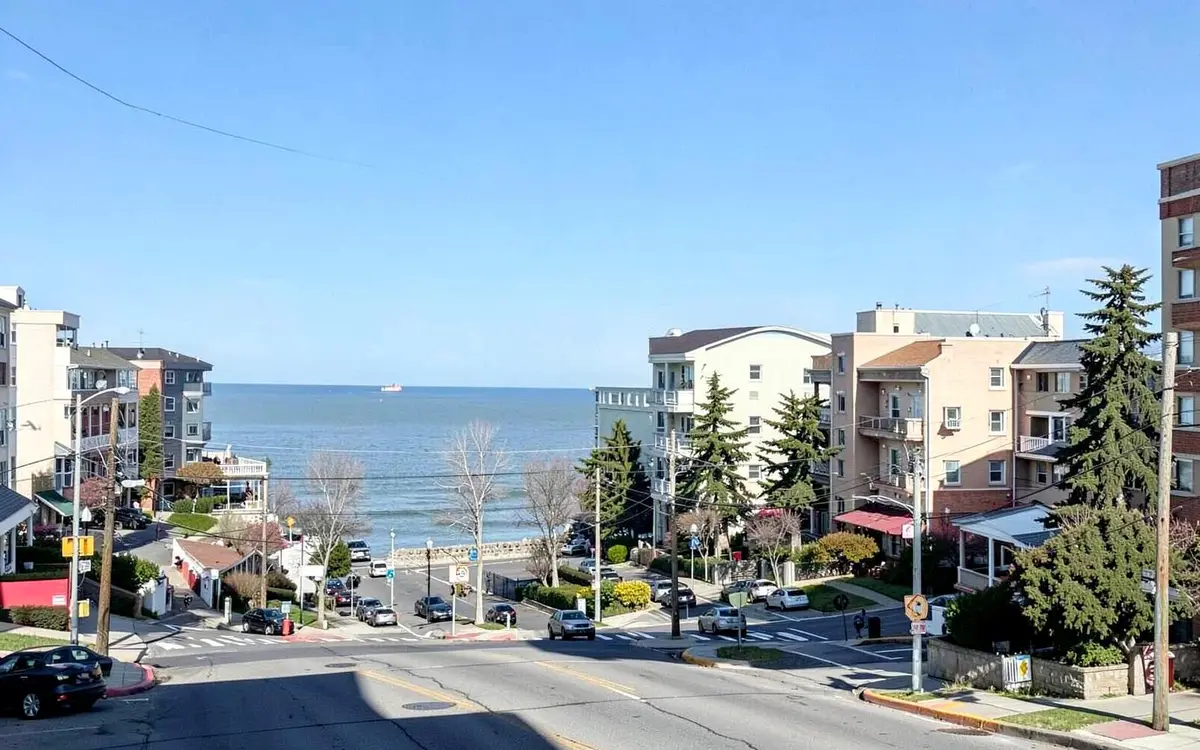
Long Beach, NY Foreclosure Defense Lawyer: Protecting Nassau County Homeowners for 27 Years
Long Beach homeowners have 20 days to answer a foreclosure summons after personal delivery and 30 days after any other service, and that answer turns a fast default into a two to four year contested case in Nassau County Supreme Court in Mineola. The lender must prove a proper 90-day notice under RPAPL 1304, prove it owns the note, and negotiate in good faith under CPLR 3408 before a judge signs a judgment. Long Beach co-op owners face a faster UCC share sale and should call sooner.
Key Takeaways
- Long Beach is its own city, not part of a town, but its foreclosures are heard in Nassau County Supreme Court in Mineola like the rest of the county.
- Post-Sandy flood insurance premiums and escrow jumps sit behind many Long Beach defaults, and servicer escrow errors can be challenged.
- Long Beach has a large stock of co-ops and condos; a co-op share loan default leads to a UCC sale that moves in months, not years.
- The lender must prove strict RPAPL 1304 and 1306 compliance or the Nassau case is dismissed.
- Under CPLR 213(4) and FAPA, older Long Beach loans refiled after a dismissed case are often time-barred.
- City, county and school taxes keep accruing in foreclosure and every lien must be resolved in a modification or sale.
How does a foreclosure work for a Long Beach homeowner?
A Long Beach foreclosure begins with the RPAPL 1304 90-day notice, then a summons filed in Nassau County Supreme Court in Mineola with a 20 or 30 day answer window, mandatory CPLR 3408 conferences, summary judgment and an order of reference under RPAPL 1321, a judgment of foreclosure and sale, and an auction. Contested, two to four years.
Long Beach is a barrier island city with a housing mix unlike anywhere else in Nassau: single-family homes in the West End and the Walks, a heavy concentration of co-ops and condos along the boardwalk and Shore Road, and two-family houses scattered throughout. The foreclosure process is the same New York judicial process for all of them except co-ops, which I address separately below.
For a house or condo, the lender must mail the 90-day notice under RPAPL 1304, file it with the state under RPAPL 1306, then file a summons and complaint in Nassau County Supreme Court in Mineola and serve you. You answer within 20 or 30 days depending on how you were served. The court sets a CPLR 3408 settlement conference, the modification review happens under judicial supervision, and if nothing settles the lender moves for summary judgment and an order of reference, then a judgment of foreclosure and sale, then an auction. In a contested Nassau case that arc runs two to four years. Ignored, a Long Beach home can go to auction in roughly a year.
What if my Long Beach home is a co-op?
A co-op is different. You own shares and a proprietary lease, not real property, so the lender's remedy on a defaulted share loan is a non-judicial UCC Article 9 sale of your shares, which can happen within months and without a CPLR 3408 conference. Long Beach co-op owners in default must act immediately.
Long Beach has one of the largest co-op inventories on the South Shore, and the single most important thing a co-op owner needs to understand is that the protections built into New York mortgage foreclosure largely do not apply. Your share loan is secured by a UCC security interest in your shares and lease, and the lender's remedy is a public sale of those shares under UCC Article 9. There is no lawsuit, no answer, no mandatory settlement conference, and no judge unless you bring the case to one. The lender must give you reasonable notice of the sale, and New York's UCC 9-611(f) requires a 90-day notice with a right to cure on residential co-op loans, but after that the sale proceeds quickly.
At the same time, the co-op board has its own remedy. Unpaid maintenance is a default under the proprietary lease, and the board can terminate the lease and evict through a summary proceeding in Nassau District Court, then sell the shares. When a Long Beach co-op owner calls me with a lender default letter, I look at both fronts at once, because a cure on the loan does not fix a maintenance arrears problem and vice versa. If you cannot cure, a controlled sale of the unit almost always beats a UCC sale, where bidders take the unit for a fraction of its value and any deficiency remains yours.
Where are Long Beach foreclosure cases heard?
Long Beach foreclosures are heard in Nassau County Supreme Court in Mineola, roughly 25 minutes north over the bridges. Settlement conferences under CPLR 3408 run before court attorney referees in the foreclosure conference part there, and the assigned justice decides the lender's motions. Nothing about a Long Beach foreclosure is decided at City Hall.
Every Long Beach mortgage foreclosure is venued in Nassau County Supreme Court at 100 Supreme Court Drive in Mineola. Nassau is my home county; my office is in Upper Brookville, and I have appeared in the Mineola courthouse on foreclosure matters for 27 years. The foreclosure conference part there is staffed by court attorney referees who run the CPLR 3408 conferences and who know the servicers, their counsel, and their habits.
What I see in practice in Mineola is a court that takes the good faith requirement seriously and that has grown impatient with servicers who lose documents or deny modifications without a reason. When I can put a dated submission log in front of the referee showing that a Long Beach client's complete package sat unreviewed for four months, the referee's notes reflect it, and the assigned justice sees those notes when the lender's summary judgment motion comes up. Nassau also has one of the deepest foreclosure backlogs in the state, which means a contested case moves slowly, and for a represented homeowner that slowness is an asset. For an unrepresented homeowner who defaulted, the same court moves quickly.
What is the 90 day notice under RPAPL 1304, and did my lender send it correctly?
Before suing on a Long Beach home loan, the lender must mail each borrower a separate 90-day notice under RPAPL 1304, in 14-point type, by certified and first-class mail, with the statutory language and counselor list, and file proof with the state within three business days under RPAPL 1306. Nassau judges dismiss cases that fail either step.
The RPAPL 1304 notice is the lender's first legal obligation and the first place I look for a defense. The statute is specific: one notice per borrower in its own envelope, 14-point type, sent by both certified and first-class mail, containing the exact statutory warning and a current list of at least five housing counseling agencies serving Nassau County. RPAPL 1306 then requires the lender to file the notice information with the New York Department of Financial Services within three business days of mailing. Both are conditions precedent, which means the lender has to plead and prove them, not you.
The proof usually comes in the form of an affidavit from a servicer employee. The Appellate Division, Second Department, which covers Nassau, has been demanding about those affidavits: the affiant has to describe a standard office mailing practice that he or she actually knows, or produce mailing records that prove the specific mailing. Boilerplate does not cut it. In Long Beach files, where loans changed servicers repeatedly after Sandy and during the pandemic forbearance period, the records are often incomplete, and I have seen cases dismissed in Mineola on exactly that basis. A dismissal for a 1304 defect is without prejudice, but on an older loan it can push the lender past the CPLR 213(4) statute of limitations, and that ends the case for good.
Can I stay in my Long Beach home during the foreclosure?
Yes. A Long Beach homeowner remains the legal owner until the referee delivers a deed after an auction, typically two to four years into a contested Nassau case. Staying preserves the CPLR 3408 conference for owner-occupied homes and keeps modification programs available. Moving out forfeits both and invites City of Long Beach code enforcement.
The instinct after the summons is to start looking for an apartment. Do not. In New York you own the house until title actually transfers, which happens only when the referee delivers a deed after a completed auction, and in a contested Nassau County case that is years away. During that entire period you can live in the home, rent it, repair it, or sell it. The lender cannot change the locks, shut off utilities, or remove you.
There are practical reasons to stay beyond the obvious. The mandatory CPLR 3408 conference applies to owner-occupied residential property, so a Long Beach homeowner who moves out mid-case can lose the right to that conference and the good faith negotiation duty that comes with it. Most modification programs also require the property to be your primary residence. A vacant house on the barrier island deteriorates fast, draws City of Long Beach code violations that remain your responsibility, and triggers force-placed insurance premiums the lender adds to your debt. And if there is a tenant in a second unit, that rent is yours to collect until title transfers, which supports the modification math. Stay, keep the taxes and insurance current if you possibly can, and let the case run on your terms.
What happens to my equity if the house sells at auction?
If a Long Beach home sells at auction in Mineola for more than the debt and costs, the surplus is yours under RPAPL 1361, but you must file a claim to get it. Bidders discount heavily, and the lender's default interest and fees come first. A pre-auction sale preserves far more.
Long Beach values have recovered well past their post-Sandy low, and a meaningful share of the homeowners who call me in foreclosure are sitting on equity. The auction is the worst place to realize it. Bidders at the Mineola auction price in risk and pay a discount, and before any surplus reaches you the lender takes its principal, years of default interest, legal fees, and the referee's costs. What is left is yours under RPAPL 1361, but only if you file a surplus money claim, and every year money goes unclaimed in Nassau County because former owners never did.
If the sale falls short, the lender may move for a deficiency judgment under RPAPL 1371 within 90 days of the delivery of the referee's deed, limited to the difference between the debt and the fair market value of the property as the court determines it. For a Long Beach homeowner with equity, the far better path is a conventional sale before the auction, on your timeline, at market price, with the lender paid at closing and the balance in your account. For a homeowner without equity, a short sale or deed in lieu with a written deficiency waiver closes the matter without a judgment following you. Both require time, and the time comes from answering the complaint.
How a foreclosure moves through Nassau County Supreme Court
- Default and RPAPL 1304 notice
Around 90 days past due, the servicer mails the 90-day notice to each Long Beach borrower and files it with the state under RPAPL 1306. Federal rules bar suit until the loan is over 120 days delinquent. Flood insurance escrow disputes and a modification application belong in this window.
- Summons filed in Mineola
The lender files in Nassau County Supreme Court, records a notice of pendency against the Long Beach property with the County Clerk, and serves you. The answer pleads notice, standing, CPLR 213(4) and amount-due defenses.
- CPLR 3408 settlement conferences
Nassau schedules the first conference in the Mineola foreclosure part within about 60 days after proof of service. A court attorney referee supervises the modification review for owner-occupied homes and documents good faith. Nassau's backlog means this phase often runs a year or more.
- Summary judgment and order of reference
When the conferences produce nothing, the lender moves for summary judgment and asks for a referee under RPAPL 1321. The assigned justice decides opposition on notice, standing and limitations grounds. If granted, a referee computes the debt, and the homeowner may object to escrow, fee and interest items.
- Judgment of foreclosure and sale
A Long Beach homeowner can still close a sale or short sale, and a motion to vacate may lie for defects in service or the judgment.
- Auction and post-sale rights
The referee conducts the Mineola auction and later hands the buyer a deed. Any surplus is recovered through an RPAPL 1361 proceeding; any deficiency must be sought under RPAPL 1371 within 90 days. Neither a former owner nor an RPAPL 1305 tenant can be put out without a separate court proceeding.
Frequently Asked Questions
How long does a foreclosure take in Long Beach, NY?
A contested foreclosure in Nassau County generally takes two to four years from the summons to an auction, and Nassau's backlog often pushes it longer. The 90-day RPAPL 1304 notice precedes the lawsuit, then come the CPLR 3408 conferences in Mineola, the order of reference, the judgment of foreclosure and sale, and the auction. A Long Beach case nobody defends can reach auction within about a year.
Can my flood insurance or Sandy-related problems help my Long Beach foreclosure defense?
They can matter. Misapplied insurance proceeds, escrow errors on flood premiums, and forbearance agreements the servicer never honored are all legitimate challenges to the amount claimed and, in some cases, to the default itself. They rarely defeat a case alone, but they strengthen a modification review and can reduce what the referee computes as owed.
Do I get a settlement conference if I own a Long Beach co-op?
Not automatically. The CPLR 3408 conference applies to mortgage foreclosures on owner-occupied residential real property, and a co-op share loan default is enforced through a UCC Article 9 sale rather than a court foreclosure. A co-op owner can still negotiate a modification with the lender and, in some situations, seek a court order restraining a sale, but the timeline is far shorter and the process is very different.
What is the statute of limitations on a foreclosure in Nassau County?
Six years from acceleration under CPLR 213(4). Acceleration usually occurs when the lender files a complaint demanding the full balance. The Foreclosure Abuse Prevention Act, effective December 30, 2022, bars lenders from discontinuing a case to reset the clock, so Long Beach loans accelerated in a prior dismissed action more than six years ago are frequently time-barred.
Can I get a free consultation about a Long Beach foreclosure?
Yes. Call me at (516) 314-1343 for a free initial consultation on the Long Beach matter. Bring the summons and complaint or, for a co-op, the lender's default and sale notices; the 90-day notice if you received one; your flood and homeowner's insurance declarations; recent mortgage statements; and two years of tax returns.
Will a foreclosure affect my Long Beach property taxes?
City of Long Beach, Nassau County and school taxes continue to accrue during a foreclosure. If the loan is escrowed the servicer usually advances them and adds them to the debt; if not, unpaid taxes become a separate lien that must be resolved in any modification, short sale or payoff. Nassau County can also pursue its own tax lien sale process independent of the bank.
More on New York foreclosure defense
- How Long Does Foreclosure Take in New York? The Complete Timeline for Long Island Homeowners (2026)
Most New York foreclosures take 1 to 3 years, and Long Island cases often run longer. A breakdown of all 7 stages and the deadlines that matter.
- What Happens If You Don't Answer a Foreclosure Summons in New York? A Long Island Defense Attorney Explains Your 3 Ways Back In (2026)
In New York you have 20 to 30 days to answer a foreclosure summons. Miss it and you are in default, but three routes back into the case remain open...
- How to Stop a Foreclosure Sale in Nassau County: A Step-by-Step Guide from a Long Island Foreclosure Defense Attorney
A foreclosure sale date is not the end of the road. New York gives homeowners multiple legal tools to stop, delay, or dismiss a foreclosure, but...
- Surplus Money Proceedings in New York Foreclosure: How to Claim the Excess
How surplus money proceedings work after a New York foreclosure sale: who gets the excess, how to file a claim, and the deadlines Nassau & Suffolk...
- Partition Action New York: Forcing the Sale of Inherited or Jointly Owned Property
Long Island home values have made buyouts of co-owned and inherited property hard. Here is how a partition action in New York actually forces a sale...
- Can a Sibling Force the Sale of an Inherited House in New York? RPAPL 901 and the Heirs Property Buyout (2026)
Under RPAPL 901 any co-owner can force the sale of an inherited house in New York. The buyout right that can stop the sale and who pays the costs.
Served with foreclosure papers in Long Beach? Call for a free consultation.
Nassau County homeowners: I will review where your case actually sits, which deadlines are live, and which options are still open, at no cost for the initial consultation. I answer my own phone, 7 days a week, 6:00 AM to 8:00 PM.
Attorney advertising. This page is general information about New York law only, not legal advice, and does not create an attorney-client relationship. Prior results do not guarantee a similar outcome.