Foreclosure Defense Attorney in Midland Beach, NY (Served with Papers? Start Here)
Midland Beach homeowners have 20 days to answer a foreclosure summons handed to them and 30 days otherwise, and the case is heard at Richmond County Supreme Court, 26 Central Avenue in St. George, about 20 minutes away. Midland Beach carries more underwater mortgages than most of Staten Island, on houses rebuilt after the storm with loans above their value. The choices are a short sale, a deed in lieu or a principal reduction, each with a deficiency and a tax question. I have structured all three for 27 years.
Key Takeaways
- Midland Beach is on Staten Island; foreclosures are heard at Richmond County Supreme Court, 26 Central Avenue in St. George, and any appeal is heard by the Second Department.
- A short sale requires the lender's written approval and should carry a written waiver of the deficiency under RPAPL 1371; without the waiver, the lender may pursue the shortfall.
- A deed in lieu of foreclosure transfers the Midland Beach home to the lender by agreement, ends the case, and must include the same deficiency waiver and a release of junior liens.
- Forgiven mortgage debt is generally taxable income reported on a Form 1099-C, but the insolvency exclusion under Internal Revenue Code 108 and, for qualifying periods, the principal residence exclusion can eliminate the tax.
- Under federal servicing rules, a servicer that denies a modification must evaluate the borrower for a short sale or deed in lieu, and investors pay relocation assistance for both.
- The 20 or 30 day answer deadline preserves standing, RPAPL 1304, RPAPL 1306 and CPLR 213(4), and a defended case gives an underwater homeowner the time to sell on the right terms.
My Midland Beach house is worth less than I owe. What are my choices?
Three, plus the defenses. A short sale, in which the lender consents to a sale for less than the debt and releases its lien; a deed in lieu, transferring the Midland Beach home to the lender; or a modification with a principal reduction or deferral. Each must include a written RPAPL 1371 deficiency waiver, and each has a tax consequence.
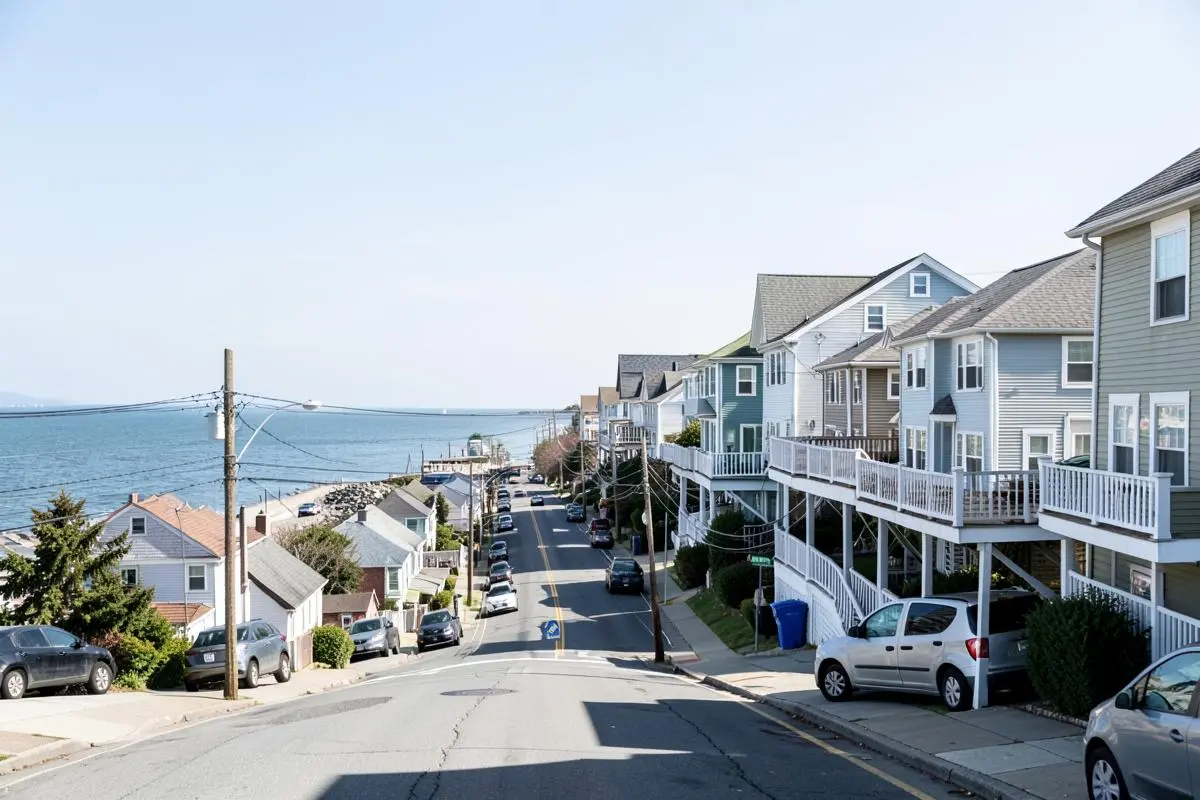
Midland Beach was rebuilt after the storm with insurance proceeds, Build It Back grants and new mortgages, and many of its houses now carry loans that exceed their market value, whether because the rebuild cost more than the house is worth on a flood-zone lot or because the family refinanced repairs into the mortgage. A homeowner in that position who falls behind has a different calculation from one with equity: there is no surplus to protect and no sale that pays the lender in full, so the goal is either to keep the house on terms that make sense or to leave it without a debt following the family out the door. The three exits are the short sale, the deed in lieu and the modification, and the defended foreclosure is what buys the time to choose and negotiate one.
A short sale is a sale to a third party for less than the payoff with the lender's written consent to accept the proceeds and release the lien; the buyer takes clean title, the seller pays nothing at closing, and the approval letter states what happens to the shortfall. A deed in lieu is a negotiated transfer to the lender itself, used where no buyer can be found or the family wants a fixed exit date; the lender takes the Midland Beach house, the case is discontinued, and the agreement states what happens to the shortfall. A modification with a principal reduction, where the investor allows it, or a principal deferral, which is more common, reduces the payment to what the household can carry and lets the family stay in a house they may not be able to sell for years. Federal servicing rules under Regulation X require a servicer that denies a modification to evaluate the borrower for the short sale and deed in lieu options, and Fannie Mae, Freddie Mac, FHA and VA each pay relocation assistance to a borrower who completes one. The two words that matter in every one of these documents are deficiency waiver, and I do not close without them.
Will I owe taxes or a deficiency after a Midland Beach short sale or deed in lieu?
Not if the paperwork is right. The approval letter or deed in lieu agreement must waive the deficiency in writing under RPAPL 1371, or the lender may pursue the shortfall. Forgiven debt is reported on a Form 1099-C as income, but a Midland Beach homeowner insolvent when it was cancelled excludes it under Internal Revenue Code 108.
The deficiency question is answered in the lender's document, and only there. A short sale approval letter that says the lender accepts the proceeds in full satisfaction and waives any right to pursue the borrower for the remaining balance protects the family; one that says the lender reserves its rights, or is silent, does not, and a Midland Beach seller who closes on the second kind has traded the house for an unsecured debt the lender may sue on or sell to a collector. A deed in lieu agreement must contain the same release, and must also address junior liens, because a lender cannot take a deed in lieu subject to a second mortgage or a judgment lien without either paying it or having it released, and junior lienholders will demand something for the release. I negotiate the waiver language before the buyer is found, so the approval that comes back already contains it.
The tax question is answered on the family's return. When a lender forgives debt, it issues a Form 1099-C, and cancelled debt is generally income under Internal Revenue Code 61(a)(11). Two exclusions in Code section 108 apply to most Midland Beach homeowners. The insolvency exclusion excludes cancelled debt to the extent the taxpayer's liabilities exceeded the fair market value of all assets immediately before the cancellation, which describes nearly every underwater homeowner; the exclusion is claimed on Form 982 with a worksheet of assets and liabilities. The qualified principal residence exclusion, which Congress has extended and lapsed repeatedly, excludes forgiven acquisition debt on a principal residence for the years it is in force, and its status for the year of the sale is checked before closing. A family that closes a short sale in December rather than January may pay a different tax, and a family that receives a 1099-C and does nothing pays tax it never owed. I coordinate with the client's accountant on timing and on the Form 982 before any deficiency is forgiven, because the tax is as much a part of the exit as the deed.
Where are Midland Beach foreclosure cases heard?
Midland Beach foreclosures are heard at Richmond County Supreme Court, 26 Central Avenue in St. George, about 20 minutes away by Hylan Boulevard or the Staten Island Railway from Grant City or New Dorp. The settlement conference part runs the CPLR 3408 conferences, the assigned justice hears motions, and the referee sells Midland Beach property at the courthouse.
The St. George courthouse has seen the east shore's post-storm cases from the beginning, and the court attorney referees in its conference part understand that a Midland Beach homeowner's application may be for a short sale or a deed in lieu rather than a modification, and that the servicer must evaluate it. I have practiced foreclosure defense for 27 years, and in this courthouse a servicer that denies a modification and then refuses to review a short sale package is recorded for lack of good faith under CPLR 3408(f), because the federal rules require the review and the referee knows it.
The conference part runs the CPLR 3408 conferences for owner-occupied Midland Beach homes and records whether the servicer negotiated in good faith on every option, and where a modification with a principal deferral is possible, that is where it is negotiated. The assigned justices decide standing, RPAPL 1304 and 1306, the six-year statute of limitations and the amount due, with appeals to the Appellate Division, Second Department, and they hear the RPAPL 1371 deficiency motion after any sale, which a written waiver makes unnecessary. A contested Midland Beach case runs two to four years from the summons to any auction, which is time enough to market an underwater house properly, negotiate the approval, and close on the right terms. An unanswered case reaches auction in about a year, with a deficiency exposure on the full shortfall and no waiver, and a 1099-C for whatever the lender later writes off, which is the worst version of every outcome.
Did the lender comply with RPAPL 1304 and 1306, and does it matter on an underwater loan?
The lender had to mail each Midland Beach borrower a separate RPAPL 1304 90-day notice by certified and regular mail with a counselor list, and file under RPAPL 1306 within three business days. On an underwater loan the defenses matter more, not less: a lender facing dismissal approves a short sale, waives the deficiency and pays relocation assistance readily.
Staten Island cases go to the Second Department, which insists on strict RPAPL 1304 compliance and on proof of mailing from a witness with personal knowledge or a standard practice the witness actually follows; a Midland Beach plaintiff without that witness loses. Midland Beach loans, many refinanced or modified after the storm and transferred since, are frequently sued on by a plaintiff whose witness cannot speak to the mailing. The defects that defeat a Midland Beach lender are a combined envelope for two borrowers, no Richmond County counselor list, the wrong type size and a conclusory mailing affidavit; extra language in the envelope, since the Court of Appeals decided Kessler in 2023, is not itself fatal, so the mailing, the contents and the counselor list carry the analysis. The RPAPL 1306 electronic filing must be made within three business days of the mailing, and the Midland Beach plaintiff has to produce the confirmation.
Homeowners with no equity sometimes ask why the defenses matter when they intend to leave anyway. They matter because leverage decides the terms of leaving. A lender whose case is dismissed for an RPAPL 1304 failure must restart the 90-day process, and on a loan accelerated years earlier the restart may fall outside the six years CPLR 213(4) allows, with the Foreclosure Abuse Prevention Act, effective December 30, 2022, barring the lender from claiming the acceleration was revoked; a lender facing that outcome approves a short sale quickly, waives the deficiency without argument, pays relocation assistance and, in some cases, agrees to a principal reduction that lets the family stay. A Midland Beach homeowner who raises the defenses gets the exit on their terms; one who does not gets it on the lender's.
What is the deadline to answer, and should I answer if I plan to sell or walk away?
The answer is due 20 days after personal delivery or 30 days after other service, with substituted service complete ten days after the affidavit is filed with the Richmond County Clerk, and a Midland Beach homeowner who intends to short sell should answer anyway. The answer preserves the leverage that produces a deficiency waiver and relocation assistance.
The answer pleads standing first or it is waived, the six-year limitations period under CPLR 213(4) as an affirmative defense, the RPAPL 1304 and 1306 conditions precedent, and a specific denial of the amount claimed, and it states that the Midland Beach owner occupies the home so the CPLR 3408 conference is mandatory; it may also state the owner's intention to pursue a short sale or deed in lieu and demand the evaluation federal rules require. Substituted service is complete ten days after the affidavit is filed and the 30 days run from then; a written stipulation from the plaintiff's attorney extends the deadline and a servicer's statement that a short sale package is under review does not.
Walking away is the most expensive exit there is. A Midland Beach homeowner who stops paying, stops answering and moves out leaves a house to be auctioned at a discount, a deficiency exposure on the full shortfall that the lender may pursue within 90 days of the deed, a 1099-C for whatever is later written off, city property tax and water charges accruing in the owner's name until the deed changes hands, and a foreclosure on the credit report rather than a short sale. The defended case avoids every one of those: the family stays in the house while it is marketed, the short sale closes with a written waiver, relocation assistance is paid, the tax is planned, and the credit report shows a settled account. A missed deadline is addressed by a CPLR 3012(d) or 5015 motion with a reasonable excuse and a meritorious defense, but an underwater homeowner who answers on time never needs one.
What are my options for the Midland Beach house?
You own the Midland Beach home until a referee delivers a deed, and until then you can modify through the CPLR 3408 conference part with a principal deferral and stay, complete a short sale with a deficiency waiver and relocation assistance, transfer the house by deed in lieu with that waiver, or strip an unsecured second lien in Chapter 13.
For the Midland Beach family that wants to stay in a house worth less than the loan, the modification is the answer, and the conference part in St. George is where it is negotiated. A principal deferral moves part of the balance to the end of the loan at no interest and no payment, a term extension to 40 years and a rate reduction bring the monthly figure down, and where the investor permits it a principal reduction writes off part of the debt outright; FHA borrowers combine a partial claim with a modification, and a second mortgage that is wholly unsecured by the house's current value can be stripped in a Chapter 13 plan. A family that can carry the modified payment keeps a house that will, in time, be worth the loan again.
For the family that is leaving, the short sale is usually the better exit, because it produces a buyer, a closing, relocation assistance and a settled account on the credit report; the deed in lieu is the fallback where no buyer appears or the family needs a fixed date. Both require the written RPAPL 1371 deficiency waiver, the release of junior liens, and tax planning for the Form 1099-C under Internal Revenue Code 108. The auction is the outcome to avoid on an underwater house above all others: a discounted price that widens the shortfall, default interest and fees deducted first, a deficiency motion within 90 days of the deed on the whole difference, and a write-off that arrives as taxable income the following spring. A Midland Beach homeowner who came through the storm and a rebuild should not lose the house and keep the debt; the defended case makes sure that if the house goes, the debt goes with it.
How a foreclosure moves through Richmond County Supreme Court
- Default and the 90-day notice
At about 90 days delinquent the servicer mails the RPAPL 1304 notice to each Midland Beach borrower with a Richmond County counselor list and files under RPAPL 1306; federal rules bar suit until more than 120 days of delinquency. Get a market valuation now so the equity picture is known.
- Summons and notice of pendency
The lender files at Richmond County Supreme Court, records a notice of pendency against the Midland Beach property with the Richmond County Clerk, and serves you. Twenty days to answer after hand delivery, 30 otherwise; answer even if you intend to sell or surrender.
- CPLR 3408 conferences in St. George
Within about 60 days of proof of service, the Midland Beach home is scheduled for its first conference. The court attorney referee supervises the review of a modification with principal deferral, and where that is denied, the short sale or deed in lieu evaluation the federal rules require.
- Short sale or deed in lieu negotiation
The house is marketed and a buyer found, or a deed in lieu is proposed. The approval letter must waive the deficiency under RPAPL 1371, release junior liens and state relocation assistance; the timing of the closing is planned with the Form 1099-C and Internal Revenue Code 108 in mind.
- Summary judgment and RPAPL 1321 referee, if no short sale or deed in lieu closes
If the Midland Beach conferences end without agreement, the lender moves for summary judgment and a referee's appointment. The assigned justice rules on standing, notice and limitations; the referee computes the Midland Beach debt subject to objections.
- Judgment, auction and post-sale
The court confirms the referee's report, signs the Midland Beach judgment, and the sale is advertised and conducted at the courthouse. A short sale or deed in lieu can still close before the auction. After a sale, any deficiency requires an RPAPL 1371 motion within 90 days of the deed, measured against fair market value.
Frequently Asked Questions
My Midland Beach house is underwater and I cannot keep up. Should I just let the bank take it?
No. Walking away leaves you a discounted auction, a deficiency exposure on the full shortfall, a 1099-C for whatever is written off, and a foreclosure on your credit. A defended case produces a short sale or deed in lieu with a written deficiency waiver, relocation assistance and planned tax treatment. Call (516) 314-1343 before you move out.
What has to be in a short sale approval letter?
The lender's consent to the sale price and net proceeds, a release of its lien at closing, and a written waiver of any deficiency under RPAPL 1371 stating that the proceeds are accepted in full satisfaction. A letter that reserves the lender's rights or is silent leaves you owing the shortfall, and I do not close on one.
Will I owe income tax on the forgiven balance?
The lender will issue a Form 1099-C, and cancelled debt is generally income, but the insolvency exclusion under Internal Revenue Code 108 excludes it to the extent your debts exceeded your assets when it was cancelled, which describes most underwater homeowners. The exclusion is claimed on Form 982, and the closing is timed with your accountant.
How long does a Midland Beach foreclosure take?
Expect two to four years for a contested Midland Beach case, measured from the summons to the courthouse auction, with CPLR 3408 conferences, motions, the RPAPL 1321 referee and the judgment along the way. That is time enough to market an underwater house and close a short sale on the right terms.
Can I get a modification on a house that is worth less than the loan?
Often, yes. A principal deferral moves part of the balance to the end of the loan at no interest, a term extension and rate reduction lower the payment, and some investors permit a principal reduction. FHA borrowers combine a partial claim with a modification. A wholly unsecured second mortgage can be stripped in Chapter 13.
Does the lender have to consider a short sale if it denies my modification?
Yes. Federal servicing rules under Regulation X require a servicer that denies a modification to evaluate the borrower for the other options the investor offers, including a short sale and deed in lieu, and Fannie Mae, Freddie Mac, FHA and VA pay relocation assistance to borrowers who complete them.
Is the first consultation free for Midland Beach homeowners?
Yes. Call (516) 314-1343 and bring the summons and complaint, the 90-day notice and its envelope, mortgage statements, any second mortgage or lien information, a recent market valuation or listing history, and your most recent tax return. I will tell you what the house is worth against the debt and which exit leaves your family owing nothing.
More on New York foreclosure defense
- How Long Does Foreclosure Take in New York? The Complete Timeline for Long Island Homeowners (2026)
Most New York foreclosures take 1 to 3 years, and Long Island cases often run longer. A breakdown of all 7 stages and the deadlines that matter.
- What Happens If You Don't Answer a Foreclosure Summons in New York? A Long Island Defense Attorney Explains Your 3 Ways Back In (2026)
In New York you have 20 to 30 days to answer a foreclosure summons. Miss it and you are in default, but three routes back into the case remain open...
- How to Stop a Foreclosure Sale in Nassau County: A Step-by-Step Guide from a Long Island Foreclosure Defense Attorney
A foreclosure sale date is not the end of the road. New York gives homeowners multiple legal tools to stop, delay, or dismiss a foreclosure, but...
- Partition Action New York: Forcing the Sale of Inherited or Jointly Owned Property
Long Island home values have made buyouts of co-owned and inherited property hard. Here is how a partition action in New York actually forces a sale...
- How Long Does It Take to Get Surplus Funds After a New York Foreclosure? The Real Payout Timeline (2026)
Most former homeowners wait six months to a year to receive foreclosure surplus funds in New York. Each stage of the payout and what slows it down.
- Can a Sibling Force the Sale of an Inherited House in New York? RPAPL 901 and the Heirs Property Buyout (2026)
Under RPAPL 901 any co-owner can force the sale of an inherited house in New York. The buyout right that can stop the sale and who pays the costs.
Served with foreclosure papers in Midland Beach? Call for a free consultation.
Staten Island homeowners: I will review where your case actually sits, which deadlines are live, and which options are still open, at no cost for the initial consultation. I answer my own phone, 7 days a week, 6:00 AM to 8:00 PM.
Attorney advertising. This page is general information about New York law only, not legal advice, and does not create an attorney-client relationship. Prior results do not guarantee a similar outcome.