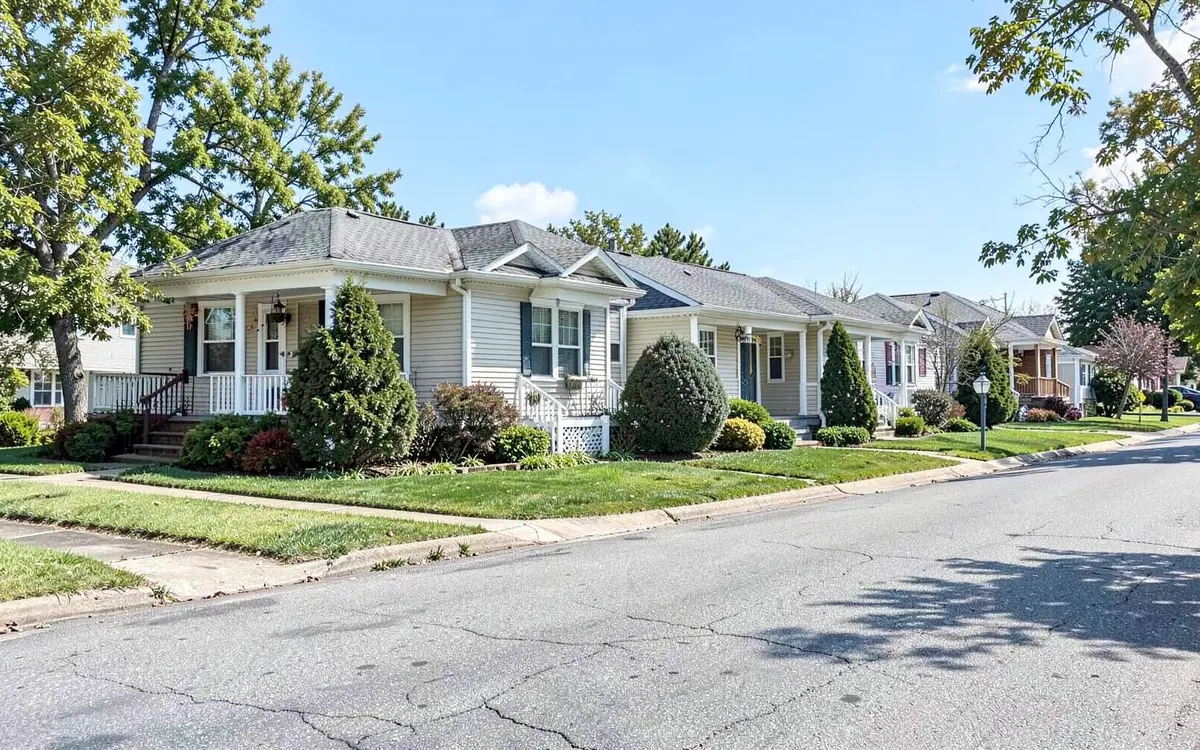
Selden, NY Foreclosure Defense Lawyer: Protecting Suffolk County Homeowners for 27 Years
Selden homeowners have 20 days after personal service, or 30 days after any other service, to answer a foreclosure summons filed in Suffolk County Supreme Court in Riverhead, and the answer is where defenses are preserved. The lender must prove a compliant 90-day notice under RPAPL 1304, a timely RPAPL 1306 filing, that it owned the note when it sued, and that it filed within six years of acceleration under CPLR 213(4). A contested Selden case typically takes two to four years.
Key Takeaways
- Selden is in the Town of Brookhaven; foreclosures are heard in Suffolk County Supreme Court in Riverhead, about 40 minutes east.
- Read the lender's papers critically: mailing affidavits, endorsements and recorded assignments in Selden files frequently do not line up.
- A contested Selden foreclosure runs two to four years; an unanswered one can reach auction in about a year.
- A modification adds arrears to the balance and extends the term; it rarely forgives debt and requires income to support the payment.
- Selden has many longtime homeowners with reverse mortgages, which default on unpaid taxes or insurance and carry extra New York notice rules.
- Real Property Law 265-b makes upfront-fee foreclosure rescue illegal; attorneys work under written retainers.
Where are Selden foreclosure cases heard?
Selden foreclosures are heard in Suffolk County Supreme Court in Riverhead, roughly 40 minutes east on the Expressway. The CPLR 3408 conferences are run by court attorney referees who track each side's good faith, and the assigned justice decides the lender's motions. That court rewards documentation and moves quickly only against homeowners who never appear.
Selden foreclosures are venued in Suffolk County Supreme Court in Riverhead, roughly forty minutes east on the Expressway. I have practiced in that building for 27 years, and what I would tell a Selden homeowner is that the foreclosure part there rewards documentation over drama. When I sit down at a CPLR 3408 conference with a log showing every submission and every servicer request, the court attorney referee can see in thirty seconds who has been negotiating in good faith and who has not, and that finding follows the case to the justice who decides the lender's motions. Riverhead can be slow, and the calendars are heavy, but for a represented homeowner that slowness is usually an asset. It is the unrepresented homeowner, the one who never appears, for whom Riverhead moves quickly.
What should I look for in the lender's foreclosure papers?
Check whether the complaint pleads compliance with RPAPL 1304 and 1306, whether the mailing affidavit comes from someone who knows the servicer's actual procedures, whether the note is endorsed to the plaintiff or in blank, and whether the Suffolk County Clerk's recorded assignments match. Gaps in any of these have led Riverhead judges to dismiss Selden cases.
The single most valuable thing I do in the first week of a Selden case is read the lender's file critically. The complaint has to allege compliance with RPAPL 1304 and 1306. The affidavit of mailing has to come from someone who can actually describe the servicer's mailing practices, not a notary in another state signing a form. The note attached to the complaint has to be endorsed to the plaintiff or in blank, and the plaintiff has to show it possessed that note before the filing date. The assignments of mortgage recorded with the Suffolk County Clerk have to line up.
More often than you would expect, they do not. A Selden loan written in 2006, sold into a trust in 2007, serviced by four different companies since, and foreclosed on for the second or third time in 2026 has a paper trail full of gaps, and every gap is a defense. Judges in Riverhead have dismissed cases on each of these grounds, and a dismissal at this stage can push the lender past the statute of limitations permanently.
How does a foreclosure work for a Selden homeowner?
After service, a Selden homeowner answers within 20 or 30 days, the court sets a CPLR 3408 conference within about 60 days of proof of service, and that phase runs six months to a year. Then come summary judgment, an order of reference under RPAPL 1321, a judgment of foreclosure and sale, and an auction. Contested, two to four years.
Homeowners hear wildly different numbers, so here is what I see in practice. Once the summons is served, you have 20 or 30 days to answer. Suffolk County schedules the first CPLR 3408 settlement conference within about 60 days after the lender files proof of service, and the conference phase commonly runs six months to a year or more while a modification is reviewed. If the case does not settle, the lender's summary judgment motion and motion for an order of reference under RPAPL 1321 take several months, the referee's computation and the motion for judgment of foreclosure and sale take several more, and the auction is scheduled after that.
A contested Selden foreclosure runs two to four years from summons to sale. Every one of those months is time to fix income, save money, negotiate, or sell on your terms. The homeowner who does not answer gets none of it and can face an auction in about a year.
Can I stay in my Selden home during the foreclosure?
Yes. You remain the owner of your Selden home until a referee's deed is delivered after an auction in Riverhead, usually 2 to 4 years away in a contested case. Staying preserves the CPLR 3408 conference, which applies to owner-occupied homes, and keeps the modification path open. A permanent modification that brings the loan current typically ends the case.
A loan modification is the primary tool for a Selden homeowner who wants to stay. Negotiated at the settlement conferences in Riverhead, it typically adds the missed payments to the loan balance, extends the term, and sometimes lowers the interest rate or defers a portion of principal. The lender is obligated under CPLR 3408 to negotiate in good faith and to review a complete application under its investor's guidelines. It is not obligated to approve you.
What a modification does not do is forgive the debt or lower the balance in most cases, and it does not work if the household income cannot carry even a reduced payment. I run those numbers with Selden clients at the start, using the lender's actual formulas, so we know whether a modification is realistic or whether we should be planning a sale while there is still time to get full value.
What is a deficiency judgment, and can the lender come after me?
If a Selden home sells at auction for less than the debt, the lender can move under RPAPL 1371 within 90 days of the deed for the amount the debt exceeds fair market value. A short sale or deed in lieu with a written deficiency waiver eliminates that exposure, and any surplus from a sale is yours under RPAPL 1361.
If the house cannot be saved, the objective becomes leaving with as little damage as possible. For a Selden homeowner with equity, that means a regular sale before the auction, with the lender paid at closing and the remaining equity in your pocket. For an underwater homeowner, it means a short sale or a deed in lieu, each negotiated with a written waiver of any deficiency.
Without that waiver, the lender can pursue a deficiency judgment under RPAPL 1371 after an auction, measured by the amount the debt exceeds the property's fair market value, if it moves within 90 days of the referee's deed. And if the auction brings more than the debt, the surplus is yours under RPAPL 1361, but only if you file a claim for it. I have recovered surplus money for former owners who had no idea it existed.
Does a reverse mortgage foreclosure work differently?
Yes. A reverse mortgage on a Selden home defaults when taxes or insurance go unpaid, when the borrower leaves for more than 12 months, or on death, not for missed monthly payments. New York requires additional pre-foreclosure notices on reverse mortgages, servicers must generally offer repayment options for tax defaults, and heirs have rights to sell or refinance first.
Selden has a large population of longtime homeowners, and a growing share of the foreclosures I see here involve reverse mortgages. A reverse mortgage is not supposed to require monthly payments, but it goes into default when the borrower fails to pay property taxes or insurance, moves out of the home for more than a year, or dies, leaving heirs with a loan that comes due. New York law provides additional protections on reverse mortgages, including a specific pre-foreclosure notice requirement, and heirs have rights to sell or refinance the property before the lender can complete a foreclosure. If you or a parent has a reverse mortgage on a Selden home and the servicer has started sending default letters, do not wait for the summons. The options are widest before the case is filed.
How a foreclosure moves through Suffolk County Supreme Court
- Default and pre-foreclosure notice
When a Selden loan is about 90 days delinquent the servicer sends the RPAPL 1304 notice and files it under RPAPL 1306. Reverse mortgages carry additional New York notice requirements. Suit cannot be filed until the notice period ends and the loan is more than 120 days past due.
- Summons filed in Riverhead
The lender files in Suffolk County Supreme Court, records a notice of pendency against the Selden property and serves you. You have 20 days after personal delivery or 30 days otherwise to serve and file an answer raising notice, standing, CPLR 213(4) and amount-due defenses.
- Settlement conferences
A court attorney referee supervises the modification review for owner-occupied Selden homes and documents good faith. Expect this phase to last six months to a year, longer with a trial modification.
- Motions and the referee's report
Without a settlement the lender moves for summary judgment and an order of reference under RPAPL 1321. The justice decides the defenses raised in opposition. If granted, a referee computes the debt and the homeowner can object to escrow, fee and interest items in that computation.
- Judgment of foreclosure and sale
The court confirms the report and signs the judgment; a notice of sale is published. A Selden homeowner may still sell, complete a short sale, or move to vacate the judgment for a defect, but reinstatement rights under most mortgages have lapsed by this point.
- Auction in Riverhead and after
The referee auctions the property and delivers a deed. The former owner claims surplus under RPAPL 1361; the lender has 90 days under RPAPL 1371 for a deficiency. Former owners and tenants protected by RPAPL 1305 can be removed only through further court proceedings.
Frequently Asked Questions
Can a lender foreclose on my Selden home for unpaid taxes on a reverse mortgage?
Yes. Failing to pay property taxes or homeowner's insurance is a default under a reverse mortgage, even though no monthly payments are due, and the lender can foreclose. New York requires additional notices before a reverse mortgage foreclosure and the lender must generally offer repayment options for tax and insurance defaults. Heirs after a borrower's death also have rights to sell or refinance before the lender can take the property.
What does lack of standing mean in a Suffolk County foreclosure?
It means the plaintiff cannot prove it held the note, by possession or valid assignment, on the day it filed the complaint. If standing is raised in the answer, the lender bears the burden of proving it, usually through business records affidavits that must meet New York's evidentiary rules. Cases are dismissed in Riverhead on this ground regularly, and a dismissal can push the lender past the statute of limitations.
How much does a foreclosure defense attorney cost in Selden, NY?
Fees depend on the stage of the case and the work involved, and reputable attorneys set them out in a written retainer agreement before any work begins. What I will say is that the cost of defending a case is almost always a fraction of the equity at stake in a Selden home, and far less than a deficiency judgment. Beware of anyone who charges you before doing anything or promises a specific result; Real Property Law 265-b exists because of those operators.
Will the bank accept a partial payment to stop my foreclosure?
Generally not unless it is part of a written agreement. Once a loan is accelerated, most servicers return partial payments or hold them in a suspense account without crediting them, and the foreclosure continues. Money you can put toward the mortgage is better used as a down payment on a documented repayment plan or a trial modification negotiated at the CPLR 3408 conference.
If the lender's first foreclosure was dismissed, can it sue again?
Only within the six-year statute of limitations under CPLR 213(4), measured from the original acceleration. The Foreclosure Abuse Prevention Act, effective December 30, 2022, prevents lenders from revoking that acceleration to restart the clock. Many second and third foreclosures on Selden loans first accelerated in 2009 through 2012 are now time-barred.
Can I get a free consultation about a Selden foreclosure or reverse mortgage default?
Yes. Reach me at (516) 314-1343 to schedule a free consultation about the Selden house. For a reverse mortgage, bring the loan documents, every default or due-and-payable letter from the servicer, and the property tax and insurance records. For a conventional loan, bring the summons, the 90-day notice, mortgage statements and income documents. I will tell you where the case stands and what the realistic options are.
Nearby towns we serve
More on New York foreclosure defense
- How Long Does Foreclosure Take in New York? The Complete Timeline for Long Island Homeowners (2026)
Most New York foreclosures take 1 to 3 years, and Long Island cases often run longer. A breakdown of all 7 stages and the deadlines that matter.
- What Happens If You Don't Answer a Foreclosure Summons in New York? A Long Island Defense Attorney Explains Your 3 Ways Back In (2026)
In New York you have 20 to 30 days to answer a foreclosure summons. Miss it and you are in default, but three routes back into the case remain open...
- How to Stop a Foreclosure Sale in Nassau County: A Step-by-Step Guide from a Long Island Foreclosure Defense Attorney
A foreclosure sale date is not the end of the road. New York gives homeowners multiple legal tools to stop, delay, or dismiss a foreclosure, but...
- Quiet Title Action New York: Clearing a Fraudulent or Stolen Deed
Deed theft is now grand larceny in New York. Here is how a quiet title action under RPAPL Article 15 cancels a forged or stolen deed, clears stale...
- How Long Does It Take to Get Surplus Funds After a New York Foreclosure? The Real Payout Timeline (2026)
Most former homeowners wait six months to a year to receive foreclosure surplus funds in New York. Each stage of the payout and what slows it down.
- What Every Nassau County Landlord Must Know About Evictions Under HSTPA
Eviction in New York changed significantly with the 2019 Housing Stability and Tenant Protection Act (HSTPA). For Nassau and Suffolk County...
Served with foreclosure papers in Selden? Call for a free consultation.
Suffolk County homeowners: I will review where your case actually sits, which deadlines are live, and which options are still open, at no cost for the initial consultation. I answer my own phone, 7 days a week, 6:00 AM to 8:00 PM.
Attorney advertising. This page is general information about New York law only, not legal advice, and does not create an attorney-client relationship. Prior results do not guarantee a similar outcome.