Foreclosure Defense Attorney in Jackson Heights, NY (Served with Papers? Start Here)
Jackson Heights homeowners have 20 days to answer a foreclosure summons handed to them and 30 days otherwise, and the case is heard at Queens County Supreme Court on Sutphin Boulevard in Jamaica, about 25 minutes away. Most Jackson Heights houses in foreclosure are two and three family buildings with tenants, and the rent is the first thing a lender reaches for: a motion to appoint a receiver under RPAPL 1325 can divert it before the case is decided. I have opposed those motions for 27 years.
Key Takeaways
- Jackson Heights is in Queens; foreclosures are heard at Queens County Supreme Court, 88-11 Sutphin Boulevard in Jamaica.
- Until a court appoints a receiver or the lender enforces an assignment of rents, the rent from a Jackson Heights two or three family house belongs to the owner and may be used to fund the defense and the household.
- A receiver under RPAPL 1325 is not automatic; the lender must show the mortgage authorizes it and that the property or the rents are at risk, and an owner who is maintaining the building and accounting for rent can defeat or limit the motion.
- Tenants in a foreclosed Jackson Heights building are protected by RPAPL 1305 and, in rent-stabilized units, by the Rent Stabilization Law, and a purchaser takes subject to them.
- Documented rental income counts toward a modification, and a servicer that excludes it from a two or three family application is applying the wrong guideline.
- The 20 or 30 day answer deadline preserves standing, RPAPL 1304, RPAPL 1306 and CPLR 213(4) defenses, and a loan on an owner-occupied building of up to four units is a home loan.
Can the bank take the rent from my Jackson Heights building during the foreclosure?
Not without a court order. Most mortgages on two and three family houses contain an assignment of rents, but in New York that clause is not self-executing; the lender must move under RPAPL 1325 for a receiver before it may collect them. Until then the Jackson Heights owner collects the rent, and should keep a record of every dollar.
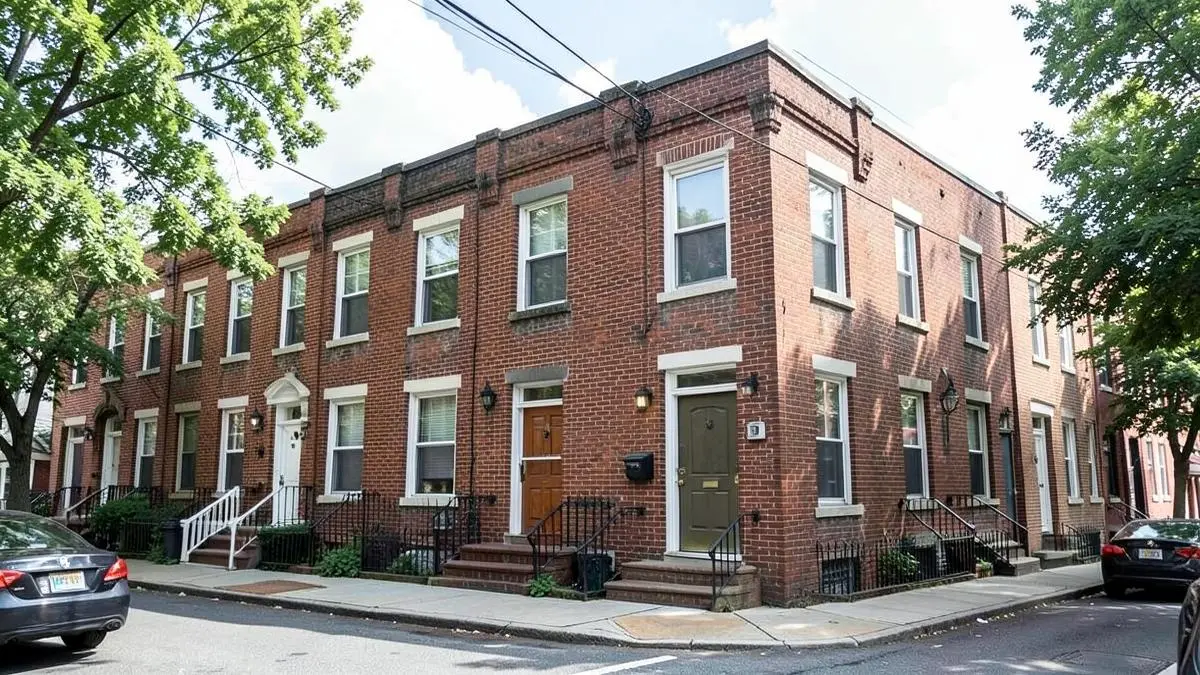
The multifamily houses on the side streets of Jackson Heights, the two and three family brick rows off Northern Boulevard and 37th Avenue, are owned by families who live in one unit and rent the others, and the rent is what made the mortgage affordable. When the loan defaults, the rent keeps coming, and lenders on these buildings move early for a receiver because a receiver diverts the rent to the lender's benefit and takes management of the building away from the owner. The motion is made under RPAPL 1325 and Real Property Law 254, which provides that a mortgage clause permitting a receiver is enforceable, and it asks the court to appoint a stranger, usually an attorney from the court's fiduciary list, to collect rents, pay expenses and hold the balance for the lender.
The motion is not granted as of right. The lender must show that the mortgage authorizes a receiver and, in most cases, that the security is inadequate or the property is in jeopardy, and a Jackson Heights owner who is maintaining the building, paying the water and insurance, keeping the units habitable and accounting for the rent has a strong opposition. Courts in Queens have denied receivers on owner-occupied buildings where the owner showed responsible management, and have limited them where granted, requiring the receiver to pay the owner's occupancy expenses and to post a bond. Where the lender instead sends tenants a letter demanding that rent be paid to it directly, the tenants are not obligated to comply absent a court order or a properly enforced assignment, and the owner should tell them so in writing. Rent collected before any order is the owner's, and a portion of it prudently set aside is what funds a reinstatement or a modification down payment.
How do I protect my tenants and my rental income in a Jackson Heights foreclosure?
Keep the building maintained, keep collecting and documenting rent, and oppose any receivership motion with proof of both. Tenants are protected by RPAPL 1305, which gives a bona fide tenant the remainder of the lease or 90 days after any sale, and rent-stabilized tenants keep their status. Their documented rent counts toward a Jackson Heights modification.
Tenants in a Jackson Heights building in foreclosure are frightened, and lenders' letters make it worse. The owner's job is to stabilize them: a short written notice that the building is the subject of a court case, that their leases remain in force, that rent is due to the owner as before unless and until a court orders otherwise, and that the owner will keep them informed. Under RPAPL 1305, a purchaser at a foreclosure auction takes subject to a bona fide tenant's lease or, where there is none, must give 90 days' notice before seeking possession, and rent-stabilized tenants in a building of six or more units, or in a smaller building with a stabilized history, keep every protection of the Rent Stabilization Law. Tenants who understand this stay, and tenants who stay pay rent.
That rent is the Jackson Heights owner's modification. Servicer guidelines count documented rental income from a two to four family owner-occupied property at 75 percent of the gross, supported by leases and bank deposits, and the household's wages plus that rental income is the affordability calculation. A servicer that reviews the owner as if the building were a single family house and denies for insufficient income has applied the wrong standard, and the court attorney referee in the conference part on Sutphin Boulevard will send it back. Where a unit is vacant, filling it during the case increases the income the servicer must consider; where a tenant has stopped paying, a Housing Court nonpayment proceeding is the owner's right and improves the numbers. I keep the building's ledger in order from the first meeting, because in a multifamily case the rent roll is the most important exhibit in both the receivership opposition and the modification application.
Where are Jackson Heights foreclosure cases heard?
Jackson Heights foreclosures are heard at Queens County Supreme Court, 88-11 Sutphin Boulevard in Jamaica, about 25 minutes away by the Grand Central and the Van Wyck. Receivership motions under RPAPL 1325 are decided by the assigned justice there, CPLR 3408 settlement conferences run in the foreclosure settlement conference part, and the referee's auction is held at the courthouse.
The Sutphin Boulevard courthouse in Jamaica handles a large volume of two and three family foreclosures from Jackson Heights and the neighborhoods around it, and its justices have a settled approach to the receivership motions that come with them. I have practiced foreclosure defense for 27 years, and in Jamaica an owner who appears with a rent roll, proof of insurance and water payments, and photographs of a maintained building is treated very differently from one who never answered; the first often keeps management of the building, the second gets a receiver by default.
The court attorney referees in the conference part run the CPLR 3408 conferences, which are mandatory where the Jackson Heights owner lives in one of the units, and record whether the servicer negotiated in good faith, including whether it counted the rental income the guidelines require. The assigned justices decide the receivership motion, standing, RPAPL 1304 and 1306, the six-year statute of limitations and the amount due, and Queens justices have dismissed multifamily cases for defective notices and tolled interest for servicer bad faith. A contested Jackson Heights case runs two to four years from the summons to any auction, and a building that stays fully rented through that period is worth more at the end of it, whether the owner keeps it or sells it. An unanswered case reaches auction in about a year, typically with a receiver in place and the owner's rent gone.
Did the lender comply with RPAPL 1304 and 1306 on a two or three family loan?
Yes, it had to. A loan on a one to four family Jackson Heights building the borrower occupies as a principal residence is a home loan under RPAPL 1304, so the lender had to mail each borrower a separate 90-day notice by certified and regular mail with a counselor list, and file under RPAPL 1306 within three business days.
Lenders on multifamily buildings sometimes contend that rental units make the loan a business loan outside RPAPL 1304. The statute covers a loan secured by a one to four family dwelling that is the borrower's principal residence and made for personal, family or household purposes, and a Jackson Heights family living in one unit of its three family house has such a loan; the Second Department has applied the notice requirement to owner-occupied multifamily properties. Strict compliance is required and the burden is on the plaintiff to prove the mailing through a witness with personal knowledge or a standard practice the witness actually follows, and the loans on these buildings, many originated in the 2000s and sold repeatedly, seldom come with that witness. Notices to two borrowers in one envelope, notices sent to a tenant's unit rather than the owner's, wrong-county counselor lists and form affidavits have all been rejected.
RPAPL 1306 separately requires the lender to file the notice with the state within three business days, and in a Jackson Heights case the filing confirmation is the only acceptable proof. Where either statute fails, the Jackson Heights case is dismissed without prejudice, any receiver is discharged with the case, and the lender must restart the 90-day process; on a loan accelerated in an earlier abandoned action the restart may not fit within the six years CPLR 213(4) allows, and the Foreclosure Abuse Prevention Act, effective December 30, 2022, bars the lender from claiming the acceleration was revoked. I raise the notice defense in the answer and in opposition to any receivership motion, because a lender that has not satisfied its conditions precedent has no business asking the court to seize the building's rents.
What is the deadline to answer, and should I mention the tenants?
After personal delivery the answer is due in 20 days, after other service in 30, measured from ten days after the affidavit is filed with the Queens Clerk. It must plead standing, CPLR 213(4), RPAPL 1304 and 1306, and should state that you occupy one unit of the Jackson Heights building so the conference is mandatory.
The tenants will be named in the complaint as John Doe defendants and served at the building, and they sometimes call the owner in a panic, but their appearance is not the owner's and the owner's deadline does not wait for anyone. The answer pleads standing first or it is waived, the six-year limitations period under CPLR 213(4) as an affirmative defense, the RPAPL 1304 and 1306 conditions precedent, and a specific denial of the amount claimed. It states that the Jackson Heights owner occupies a unit as a principal residence, which makes the CPLR 3408 settlement conference mandatory and confirms that RPAPL 1304 applies, and it may assert that the owner is properly managing the building and collecting rents, which sets up the opposition to any receivership motion before it is made.
A default is especially costly in a multifamily case. Beyond losing the standing, notice and limitations defenses and the conference, an owner who never appears will face a receivership motion with no opposition, and the receiver will take the rent, pay himself from it, and manage the building until the auction about a year later. Substituted service is complete ten days after the affidavit is filed and the 30 days run from then; a written stipulation from the plaintiff's attorney extends the deadline and a call to the servicer does not. A missed deadline is addressed by a CPLR 3012(d) or 5015 motion with a reasonable excuse and a meritorious defense, and I have had receivers discharged after a late answer was accepted, but the building's rent in the meantime is gone.
What are my options for keeping or selling the Jackson Heights building?
You own the Jackson Heights building until a referee delivers a deed, and until then you can reinstate from set-aside rent, modify through the CPLR 3408 conference part with rental income counted, refinance once the building is stabilized, sell as an occupied investment property with the lender paid at closing, or short sell with an RPAPL 1371 waiver.
For the Jackson Heights owner who wants to keep the building, the rent is the plan. Rent collected and set aside during the case funds a reinstatement or the trial payments on a modification, and a modification application that shows wages plus 75 percent of documented rental income usually reaches a payment the household can carry, with a term extension, a rate reduction and a principal deferral available to close any gap. A vacant unit filled during the case improves the numbers; a nonpaying tenant removed through Housing Court improves them too. Where the owner keeps management through the case, the building comes out of it intact.
For the owner who is leaving, an occupied two or three family building in Jackson Heights is a sought-after investment, and a sale while the case is pending pays the lender at closing and keeps the equity, with the buyer taking the tenants subject to RPAPL 1305 and any rent stabilization. The auction is the outcome to avoid: a discounted price, default interest, fees and the receiver's commissions deducted first, and any surplus deposited with the Queens County Clerk until an RPAPL 1361 claim is filed. On the rare underwater Jackson Heights loan, a short sale requires the lender's consent and a written waiver of the deficiency under RPAPL 1371, and a deed in lieu with the same waiver is the last alternative. Whichever path the owner takes, the tenants stay protected and the rent, until a court says otherwise, stays with the owner.
How a foreclosure moves through Queens County Supreme Court
- Default and the 90-day notice
At about 90 days delinquent the servicer mails the RPAPL 1304 notice to each Jackson Heights borrower with a Queens County counselor list and files under RPAPL 1306; federal rules bar suit until more than 120 days of delinquency. Begin a written rent ledger and set aside what you can.
- Summons and notice of pendency
The lender files at Queens County Supreme Court, records a notice of pendency against the Jackson Heights building with the City Register, and serves the owner and the tenants as John Does. Twenty days to answer after hand delivery, 30 otherwise; the answer should assert owner occupancy and responsible management.
- Receivership motion under RPAPL 1325, if the lender makes one
The lender moves to appoint a receiver of rents. The owner opposes with the rent roll, proof of insurance, water and maintenance, and the notice defenses. Until an order is entered, the rent belongs to the owner.
- CPLR 3408 conferences on Sutphin Boulevard
About 60 days after proof of service, the owner-occupied building gets its first conference. The court attorney referee supervises the modification review, with rental income counted, and records the servicer's good faith.
- Summary judgment and RPAPL 1321 referee
Absent a resolution, the lender moves for summary judgment and an order of reference in the Jackson Heights case. The assigned justice decides standing, notice and limitations defenses; the referee computes the debt subject to objections, including credits for rent a receiver collected.
- Judgment, auction and post-sale
Confirmation of the referee's report, entry of the Jackson Heights judgment, publication and a courthouse auction follow in order. An occupied-building sale or modification can still close before the auction. Surplus is claimed under RPAPL 1361, a deficiency requires an RPAPL 1371 motion within 90 days of the deed, and tenants keep their RPAPL 1305 rights.
Frequently Asked Questions
The bank sent my tenants a letter telling them to pay rent to the bank. Do they have to?
Not without a court order. An assignment of rents clause in a Jackson Heights mortgage is not self-executing in New York; the lender must obtain a receiver under RPAPL 1325 or otherwise enforce the assignment through the court. Tell your tenants in writing that rent remains payable to you, and call (516) 314-1343 before the lender moves.
What is a receiver, and can I stop one from being appointed?
A receiver is a court-appointed manager who collects the rent and runs the building for the lender's benefit during the case. The lender must show the mortgage allows it and, usually, that the property or rents are at risk. An owner who is maintaining the building, insured, current on water and accounting for rent can defeat or limit the motion, and Queens justices have denied receivers on owner-occupied buildings.
Will the servicer count my rental income toward a modification?
It must. Guidelines for owner-occupied two to four family properties count documented rental income, typically at 75 percent of gross, supported by leases and deposits. A denial that treats your Jackson Heights building as a single family house is wrong and is challenged at the CPLR 3408 conference.
How long does a Jackson Heights foreclosure take?
Two to four years is the normal life of a contested Jackson Heights case, from the summons through the CPLR 3408 conference part, summary judgment motions, the RPAPL 1321 referee's computation and the judgment, to the Sutphin Boulevard auction. An unanswered case can reach auction in about a year, usually with a receiver in place.
What happens to my tenants if the building is sold at auction?
A purchaser takes subject to a bona fide tenant's lease, or must give 90 days' notice under RPAPL 1305 where there is no lease, and rent-stabilized tenants keep their status. The purchaser becomes their landlord and cannot remove them except through Housing Court.
Can I sell my Jackson Heights building while the case is pending?
Yes. You hold title until a referee's deed is delivered after an auction, and an occupied two or three family building sells readily to investors. The lender is paid from the proceeds at closing, the buyer takes the tenants, and the remaining equity is yours.
Is the first consultation free for Jackson Heights homeowners?
Yes. Call (516) 314-1343 and bring the summons and complaint, the 90-day notice and its envelope, mortgage statements, every lease, a rent ledger, proof of insurance and water payments, and any letter the lender sent your tenants. I will tell you how to hold the rent, protect the tenants and use the building's income to save it.
More on New York foreclosure defense
- How Long Does Foreclosure Take in New York? The Complete Timeline for Long Island Homeowners (2026)
Most New York foreclosures take 1 to 3 years, and Long Island cases often run longer. A breakdown of all 7 stages and the deadlines that matter.
- What Happens If You Don't Answer a Foreclosure Summons in New York? A Long Island Defense Attorney Explains Your 3 Ways Back In (2026)
In New York you have 20 to 30 days to answer a foreclosure summons. Miss it and you are in default, but three routes back into the case remain open...
- How to Stop a Foreclosure Sale in Nassau County: A Step-by-Step Guide from a Long Island Foreclosure Defense Attorney
A foreclosure sale date is not the end of the road. New York gives homeowners multiple legal tools to stop, delay, or dismiss a foreclosure, but...
- How to Protect Your Long Island Home From Nursing Home Costs
The biggest threat to most Long Island homes isn't foreclosure, it's the cost of long-term care. Here is how a Medicaid Asset Protection Trust, New...
- Surplus Money Proceedings in New York Foreclosure: How to Claim the Excess
How surplus money proceedings work after a New York foreclosure sale: who gets the excess, how to file a claim, and the deadlines Nassau & Suffolk...
- Can a Sibling Force the Sale of an Inherited House in New York? RPAPL 901 and the Heirs Property Buyout (2026)
Under RPAPL 901 any co-owner can force the sale of an inherited house in New York. The buyout right that can stop the sale and who pays the costs.
Served with foreclosure papers in Jackson Heights? Call for a free consultation.
Queens homeowners: I will review where your case actually sits, which deadlines are live, and which options are still open, at no cost for the initial consultation. I answer my own phone, 7 days a week, 6:00 AM to 8:00 PM.
Attorney advertising. This page is general information about New York law only, not legal advice, and does not create an attorney-client relationship. Prior results do not guarantee a similar outcome.