Foreclosure Defense Attorney in Ridgewood, NY (Served with Papers? Start Here)
Ridgewood homeowners have 20 days to answer a foreclosure summons handed to them and 30 days otherwise, and the case is heard at Queens County Supreme Court on Sutphin Boulevard in Jamaica, about 20 minutes away, not in Brooklyn. Many Ridgewood foreclosures today began with a pandemic forbearance that ended badly: the servicer demanded the deferred months in a lump sum, or never offered the deferral the law required, and declared a default. Those homeowners have specific rights, and I have enforced them for 27 years.
Key Takeaways
- Ridgewood is in Queens; a Ridgewood address on the Brooklyn line is still foreclosed at Queens County Supreme Court, 88-11 Sutphin Boulevard in Jamaica, not in Kings County.
- New York Banking Law 9-x required state-regulated servicers to offer pandemic forbearance and, at its end, a term extension, a non-interest-bearing deferral or a modification, and barred a lump-sum demand for the forborne payments.
- Federally backed loans carried parallel rules: Fannie Mae and Freddie Mac payment deferrals, FHA partial claims and VA deferments, none of which permit a servicer to demand the forborne amount at once.
- A default declared because a Ridgewood homeowner could not pay a lump sum the servicer had no right to demand is a defective default, and the case built on it is challenged at the first conference.
- Forbearance months cannot be reported as delinquent under the CARES Act if the account was current when it began, and a credit report showing otherwise is corrected.
- The 20 or 30 day answer deadline preserves standing, RPAPL 1304, RPAPL 1306 and CPLR 213(4) defenses alongside the forbearance claims.
My Ridgewood forbearance ended and the servicer wants every missed payment at once. Is that allowed?
Generally not. New York Banking Law 9-x, which governed state-regulated servicers during the pandemic, required them to offer a Ridgewood borrower at the end of forbearance a term extension, a non-interest-bearing deferral of the forborne amount, or a modification, and barred a lump-sum demand for the missed payments. Federal loan programs imposed the same restriction.
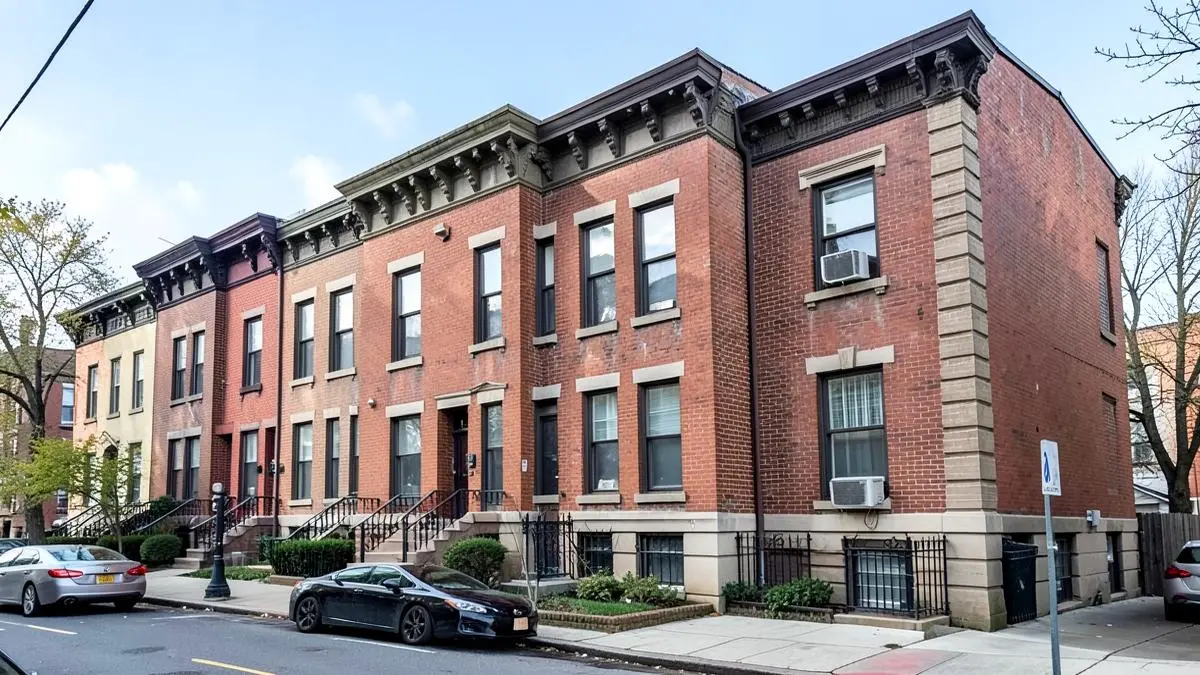
Ridgewood's rowhouses and small multifamily buildings are owned by working families who took the pandemic forbearance in large numbers when the restaurants, shops and job sites they depended on closed. Forbearance was easy to get; the exit was where the trouble started. Servicers sent letters stating that the forbearance had ended and that the full deferred balance was due, or that the borrower must reinstate to avoid foreclosure, and families who could resume their regular payment but could not produce twelve or eighteen months of payments at once assumed they had no option and stopped paying altogether. Others were placed in a repayment plan that added the deferred months on top of the regular payment, producing a figure that was never affordable, and defaulted within a few months.
Neither outcome was lawful for most Ridgewood loans. Banking Law 9-x, enacted in 2020 and applied to servicers regulated by the New York Department of Financial Services, required forbearance of up to 180 days with a further 180-day extension, and at the end of it required the servicer to offer, in order of the borrower's preference, an extension of the loan term by the forbearance period with no additional interest, a deferral of the forborne amount as a non-interest-bearing balloon due at maturity or payoff, or a loan modification; only if the borrower could not afford any of those could the servicer treat the account as delinquent, and a lump-sum demand was expressly prohibited. Loans owned or backed by Fannie Mae, Freddie Mac, FHA or VA, which Banking Law 9-x does not reach, were subject to parallel federal requirements: the GSE payment deferral, the FHA COVID-19 partial claim and recovery modification, and the VA deferment and refund options, each of which moved the forborne amount to the end of the loan at no interest and none of which permitted a demand for immediate repayment. A Ridgewood default built on a lump-sum demand did not have to happen, and the court attorney referee in Jamaica will want to know why it did.
How do I undo a default caused by a mishandled forbearance on my Ridgewood loan?
Document the forbearance and the exit the servicer offered, and demand the one it was required to offer. A written notice of error under Regulation X, or a Department of Financial Services complaint, forces a review. In the Ridgewood foreclosure, the mishandled exit is raised in the answer and at the CPLR 3408 conference as a bad faith defense.
The record is usually clear, because forbearance was administered by letter and portal message. The Ridgewood homeowner has, or can obtain through a request for information under Regulation X, the forbearance approval, each extension, the end-of-forbearance letter, the options it described and the ones it omitted, and the payment history showing what was paid and when. Where the exit letter demanded a lump sum, offered only a repayment plan, or required a full modification application for a borrower who could simply resume payments, the servicer departed from Banking Law 9-x or the applicable federal program, and the departure is documented in its own correspondence.
I put that record in front of the servicer in a written notice of error and, where the servicer is DFS-regulated, in a complaint to the Department of Financial Services, which enforces Banking Law 9-x directly and has required servicers to reverse defaults and offer the deferral retroactively. In the foreclosure, the answer pleads the mishandled forbearance as a defense to the default and the amount claimed, and the conference part on Sutphin Boulevard is where the remedy is pressed: the deferral of the forborne months to the end of the loan at no interest, the reinstatement of the regular payment going forward, and the reversal of the late fees, default interest and foreclosure costs that accrued on a default the servicer manufactured. A servicer that refuses to consider the exit it was legally bound to offer is not negotiating in good faith under CPLR 3408(f), and Queens justices have tolled interest for exactly that. Where the household's income has also fallen since 2020, the same conference produces a modification that capitalizes the arrears on a corrected figure. The forbearance was supposed to be a bridge; the law says the servicer had to build the far side of it.
Where are Ridgewood foreclosure cases heard?
Ridgewood foreclosures are heard at Queens County Supreme Court, 88-11 Sutphin Boulevard in Jamaica, about 20 minutes away by the Jackie Robinson Parkway, not at the Brooklyn courthouse even for a house a block from the county line. CPLR 3408 conferences run in the settlement conference part, the assigned justice decides motions, and any auction is at the courthouse.
Ridgewood straddles the Brooklyn border, and homeowners with a Brooklyn mailing history or a Bushwick commute sometimes assume their case belongs in Kings County. Venue follows the property, and a Ridgewood address in ZIP code 11385 is Queens, so the case is heard at the Sutphin Boulevard courthouse in Jamaica; a lender that files in Brooklyn has filed in the wrong county. I have practiced foreclosure defense for 27 years, and the Queens conference part has handled the wave of post-forbearance defaults with an understanding that many of them should never have occurred.
The court attorney referees in the conference part run the CPLR 3408 conferences for owner-occupied Ridgewood homes, and in a forbearance case they ask the servicer to produce the end-of-forbearance correspondence and to explain why the deferral was not offered; a servicer without an answer is recorded for lack of good faith. The assigned justices decide standing, RPAPL 1304 and 1306, CPLR 213(4) and the amount due, and have reduced the debt by the fees and interest a mishandled forbearance generated. A contested Ridgewood case runs two to four years from the summons to any auction, and a forbearance case properly presented usually resolves in the conference part with a deferral and a reinstated payment long before that. An unanswered case, where the family assumes the lump-sum demand was legitimate and stops appearing, reaches auction in about a year, with the equity in a Ridgewood rowhouse sold at a discount to pay a default the law did not permit.
Did the lender comply with RPAPL 1304 and 1306 after the forbearance?
The lender had to mail each Ridgewood borrower a separate RPAPL 1304 90-day notice by certified and regular mail with a counselor list, file under RPAPL 1306 within three business days, and state the actual amount required to cure. A notice demanding forborne payments the servicer was barred from collecting in a lump sum misstates the cure amount.
The appellate court for Jamaica requires strict RPAPL 1304 compliance and puts the burden on the lender to prove the mailing through a witness who knows it or the routine behind it. Post-forbearance notices carry a distinctive defect: the statute requires the notice to state the amount the borrower must pay to cure the default, and on a Ridgewood loan where the forborne months should have been deferred, the true cure amount is the regular payments missed after the forbearance ended, not the entire forborne balance. A notice demanding the whole sum states a cure figure the law did not permit the servicer to require. Notices to two borrowers in one envelope, wrong-county counselor lists and form mailing affidavits have each been rejected on appeal from Queens, and a notice sent while the borrower was still in an approved forbearance is premature.
RPAPL 1306 requires the Ridgewood lender to file the notice electronically with the Department of Financial Services within three business days of mailing and to prove it with the confirmation. Where either statute fails, the Ridgewood case is dismissed without prejudice and the lender must restart the 90-day process with a correct cure figure, which for a family that can resume its regular payment often means the case never returns. On a loan accelerated in an earlier abandoned action the restart may also fall outside the six years CPLR 213(4) allows, with the Foreclosure Abuse Prevention Act, effective December 30, 2022, barring the lender from claiming the acceleration was revoked. I check the 90-day notice's cure figure against the forbearance record on every Ridgewood file.
What is the deadline to answer, and what should the answer say about the forbearance?
The answer is due 20 days after hand delivery or 30 after other service, with substituted service complete ten days after the affidavit is filed in Queens. It must plead standing, CPLR 213(4), RPAPL 1304 and 1306, and should plead the mishandled forbearance as a defense to the default and the amount claimed.
The forbearance defense belongs in the answer, not only in the conference, because an answer that pleads it puts the servicer's compliance with Banking Law 9-x or the federal program squarely at issue on any summary judgment motion and supports the amount-due objection at the RPAPL 1321 reference. The answer pleads standing first or it is waived, the six-year limitations period as an affirmative defense, the RPAPL 1304 and 1306 conditions precedent including the misstated cure amount, and a specific denial of the amount claimed that identifies the forborne months, the fees and the default interest that should not have accrued. It states that the Ridgewood owner occupies the home so the CPLR 3408 conference is mandatory, and it may counterclaim under RESPA where notices of error went unanswered.
Substituted service is complete ten days after the affidavit is filed and the 30 days run from then; a written stipulation from the plaintiff's attorney extends the deadline and a promise from the servicer's forbearance department does not. Ridgewood families who believed the lump-sum demand and stopped paying sometimes also stop opening mail, and the summons goes unanswered; a default forfeits every defense, including the forbearance one, and moves the house toward auction in about a year. A missed deadline is addressed by a CPLR 3012(d) or 5015 motion with a reasonable excuse and a meritorious defense, and a servicer's unlawful lump-sum demand is a meritorious defense that Queens justices have recognized, but the motion costs time and money that a timely answer does not.
What are my options for keeping or selling the Ridgewood house?
You own the Ridgewood home until a referee delivers a deed, and until then you can obtain the deferral the forbearance rules required and resume the regular payment, reinstate the post-forbearance arrears alone, modify through the CPLR 3408 conference part on a corrected balance, sell with the lender paid at closing, or short sell with an RPAPL 1371 waiver.
For most Ridgewood homeowners in a post-forbearance case the right outcome is the one the law required in the first place: the forborne months moved to the end of the loan as a non-interest-bearing deferral, the regular payment resumed, and the fees and default interest reversed. Where the household resumed payments after the forbearance and fell behind only later, the deferral is combined with a reinstatement of the months actually missed or a modification that capitalizes them on a corrected figure. Where income has not recovered, the modification application goes in through the conference part on Sutphin Boulevard with a term extension, rate reduction and principal deferral available, and FHA borrowers may combine a partial claim with a recovery modification. The servicer's obligation to have offered these exits in 2021 is leverage at every stage.
For the Ridgewood owner who is leaving, a sale while the case is pending pays the lender at closing and keeps the equity, and Ridgewood's rowhouses and two-family buildings sell quickly at prices that have risen sharply since the pandemic; the payoff must be corrected first so that the unlawful fees do not come out of the seller's proceeds. An auction is the worst result for Ridgewood equity, with a discounted price, default interest and fees deducted first, and any surplus held by the Queens County Clerk until someone files under RPAPL 1361. On the rare underwater Ridgewood loan a short sale requires the lender's consent and a written RPAPL 1371 deficiency waiver. A family that did what the government told it to do during the pandemic, and took the forbearance it was offered, should not lose its home because the servicer ignored the second half of the deal.
How a foreclosure moves through Queens County Supreme Court
- Forbearance and the exit letter
The servicer grants pandemic forbearance of up to 360 days. At its end Banking Law 9-x or the federal program requires an offer of a term extension, a non-interest-bearing deferral or a modification, never a lump-sum demand. Keep every letter and portal message from this period.
- Default and the 90-day notice
If the servicer treats the account as delinquent, it mails the RPAPL 1304 notice to each Ridgewood borrower with a Queens County counselor list and files under RPAPL 1306; the notice must state the true cure amount. Send a written notice of error and, for a DFS-regulated servicer, a complaint to the Department of Financial Services.
- Summons and notice of pendency
The lender files at Queens County Supreme Court, records a notice of pendency against the Ridgewood property with the City Register, and serves you. Twenty days to answer after hand delivery, 30 otherwise; the answer pleads the mishandled forbearance and every other defense.
- CPLR 3408 conferences on Sutphin Boulevard
The Ridgewood home's first conference is set about 60 days after the affidavit of service is filed. The court attorney referee requires the servicer to produce the forbearance correspondence, presses for the deferral that should have been offered, and records the servicer's good faith.
- Summary judgment and RPAPL 1321 referee
When nothing settles, the Ridgewood lender moves for summary judgment and an RPAPL 1321 order of reference. The assigned justice decides standing, notice and limitations defenses and the forbearance issues; the referee computes the debt with the forborne months and unlawful fees at issue.
- Judgment, auction and post-sale
After confirmation of the referee's report the Ridgewood judgment is signed and the sale advertised and held at the Jamaica courthouse. A deferral, modification or sale can still close before the auction. Surplus funds go to the Ridgewood owner on an RPAPL 1361 claim, and the lender must move under RPAPL 1371 within 90 days of the deed for any deficiency.
Frequently Asked Questions
My servicer said my Ridgewood forbearance ended and I owed eighteen months of payments immediately. I could not pay it. Now I am in foreclosure. Was that legal?
Almost certainly not. Banking Law 9-x barred state-regulated servicers from demanding forborne payments in a lump sum and required an offer of a term extension, a non-interest-bearing deferral or a modification. Federal programs imposed the same rule on Fannie Mae, Freddie Mac, FHA and VA loans. The default built on that demand is challenged in the answer and at the conference. Call (516) 314-1343.
What is a payment deferral and can I still get one?
A deferral moves the forborne months to the end of the loan as a non-interest-bearing balloon due when the loan is paid off or matures, and your regular payment resumes. Servicers were required to offer it at the end of forbearance, and one that did not can be directed to offer it now through the CPLR 3408 conference part or a Department of Financial Services complaint.
Is my Ridgewood case in Queens or Brooklyn?
Queens. Venue follows the property, and Ridgewood, ZIP code 11385, is Queens County, so the case is heard at Queens County Supreme Court in Jamaica even for a house on the Brooklyn line. A lender that filed in Kings County has filed in the wrong county.
How long does a Ridgewood foreclosure take?
The contested Ridgewood case runs about two to four years from service to sale: settlement conferences under CPLR 3408, motions before the assigned justice, the RPAPL 1321 order of reference, and the judgment of foreclosure and sale. A well-documented forbearance case usually resolves in the conference part much sooner.
The forbearance months are showing as late payments on my credit report. Can that be fixed?
Yes. Under the CARES Act, a servicer must report an account that was current when forbearance began as current throughout it. Inaccurate reporting is disputed with the servicer and the credit bureaus, and the dispute is part of the notice of error I send on your behalf.
Can I sell my Ridgewood house while the case is pending?
Yes. A Ridgewood owner holds title until the referee's deed changes hands, and can list and close before the auction. Insist on a corrected payoff that removes the fees and default interest the mishandled forbearance generated, and the remaining equity is yours.
Is the first consultation free for Ridgewood homeowners?
Yes. Call (516) 314-1343 and bring the summons and complaint, the 90-day notice and its envelope, every forbearance approval, extension and exit letter, portal messages, mortgage statements from 2020 forward, and your payment records. I will tell you what the servicer was required to offer you and how to get it now.
More on New York foreclosure defense
- How Long Does Foreclosure Take in New York? The Complete Timeline for Long Island Homeowners (2026)
Most New York foreclosures take 1 to 3 years, and Long Island cases often run longer. A breakdown of all 7 stages and the deadlines that matter.
- What Happens If You Don't Answer a Foreclosure Summons in New York? A Long Island Defense Attorney Explains Your 3 Ways Back In (2026)
In New York you have 20 to 30 days to answer a foreclosure summons. Miss it and you are in default, but three routes back into the case remain open...
- How to Stop a Foreclosure Sale in Nassau County: A Step-by-Step Guide from a Long Island Foreclosure Defense Attorney
A foreclosure sale date is not the end of the road. New York gives homeowners multiple legal tools to stop, delay, or dismiss a foreclosure, but...
- What Every Nassau County Landlord Must Know About Evictions Under HSTPA
Eviction in New York changed significantly with the 2019 Housing Stability and Tenant Protection Act (HSTPA). For Nassau and Suffolk County...
- How Much Does a Real Estate Attorney Cost in New York? The Real Fees for Long Island Buyers and Sellers (2026)
Most Long Island real estate attorneys charge a flat fee of about $1,500 to $3,000 for a residential closing, and NYC runs higher. Here is who pays...
- Partition Action New York: Forcing the Sale of Inherited or Jointly Owned Property
Long Island home values have made buyouts of co-owned and inherited property hard. Here is how a partition action in New York actually forces a sale...
Served with foreclosure papers in Ridgewood? Call for a free consultation.
Queens homeowners: I will review where your case actually sits, which deadlines are live, and which options are still open, at no cost for the initial consultation. I answer my own phone, 7 days a week, 6:00 AM to 8:00 PM.
Attorney advertising. This page is general information about New York law only, not legal advice, and does not create an attorney-client relationship. Prior results do not guarantee a similar outcome.